
What Is the Best Martial Art for Kids? A Father’s Perspective
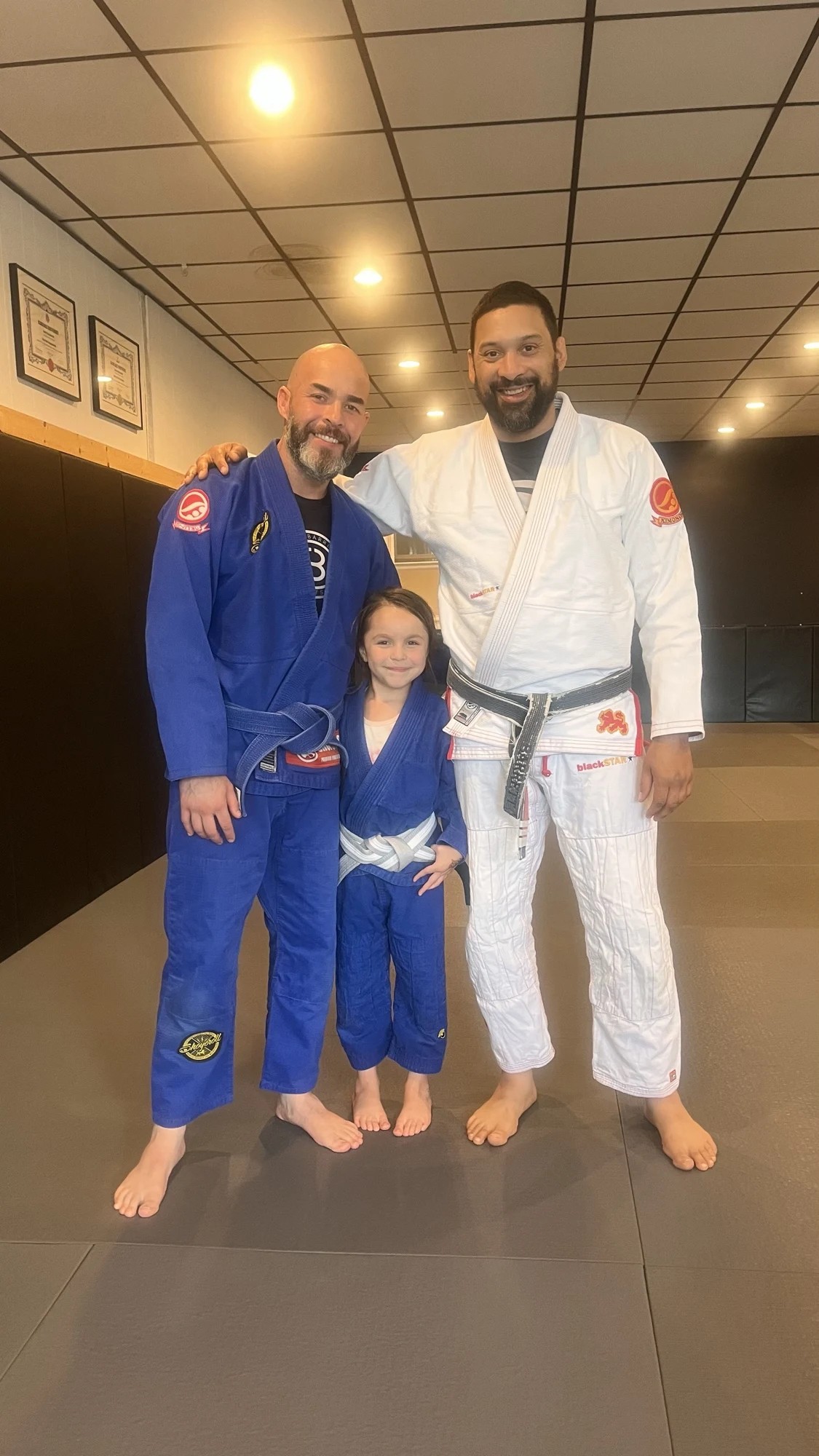
I started looking for martial arts for my oldest daughter because I wanted her to have practical self-defense skills. If someone grabbed her, pushed her down or held her, I wanted her to have some understanding of how to respond.
I’m a father of two daughters from Perth Amboy. Both of my girls now train Brazilian Jiu-Jitsu, and I help coach the kids’ program at Radji Barrett Jiu-Jitsu Academy. But I started where many parents start: trying to choose something I didn’t yet understand.
Is there really one best martial art for kids?
I don’t think there is one best martial art for every child. Your reasons for enrolling them matter, but so do their readiness, temperament, the teaching and how they feel in the class.
I would look at the school before deciding based on the name of the discipline. Are the expectations appropriate? Are children supervised and treated respectfully? Can the instructor explain what beginners will actually do?
For our family, jiu-jitsu became the right choice. That doesn’t mean another family needs to make the same decision.
Why I reconsidered my daughter’s Taekwondo training
My oldest trained at a local Taekwondo school for about two years. I appreciated the discipline and confidence she developed, and I wouldn’t take that away from her experience.
Still, I had questions about self-defense. I wasn’t seeing the practical skills I wanted her to develop for being grabbed, held or pushed to the ground.
During sparring, I also saw her kicking other children in the head. It made me consider what it would mean for her to receive those kicks, and whether that was the kind of training I wanted for her.
That was my experience as one parent at one school, not a judgment on Taekwondo as a whole. Karate, Taekwondo, wrestling and other martial arts deserve to be considered on the quality of their instruction, not dismissed because my family chose something different.
What made jiu-jitsu different for our family
Before COVID, I found Professor Radji Barrett’s academy when it was in Edison. I enrolled my daughter and watched from the sidelines with the other parents.
What interested me was seeing students work with training partners. They weren’t only learning a movement; they were exploring whether they could use it when another person offered resistance.
Position before force
What I valued was the attention to position, balance and leverage. The questions were practical: where is your body, what is controlling your movement, and how can you improve your position?
That mattered to the concerns I had about my daughter being held or controlled. I wanted her to become familiar with those problems in a training setting, rather than encounter them without any experience.
Practice, not a guarantee
I value partner practice that moves from learning a movement cooperatively to working against controlled resistance. To me, the important part is that the challenge remains appropriate to the child’s understanding, not that every round becomes a contest.
Physical skills are only part of what I want my girls to learn about self-defense. Recognizing an unsafe situation, setting boundaries, leaving and finding a trusted adult matter too. Training is not permission to fight, and it cannot promise an outcome outside the academy.
What should a beginner’s class look like?
Our first-class guide describes movement drills, a coach’s demonstration, partner practice and jiu-jitsu-based games. I would treat that as an introduction to the format, not a requirement that a new child understand everything immediately.
For me, good instruction means noticing whether a child understands the task. A demonstration, a simpler explanation or another opportunity to try may be more useful than repeating the same instruction louder.
I would also ask how partner activities are supervised, how children are matched and when resistance is introduced. A beginner should not have to guess what is allowed or how to stop an activity that feels wrong.
Watching how those questions are answered tells me more than a promise that a class is suitable for everyone. It also gives a parent something concrete to discuss with their child afterward.
What training myself taught me about coaching
Eventually, watching wasn’t enough. I stepped onto the mats myself, and I’m now approximately five years into training, a blue belt working toward purple.
Being a practitioner keeps me connected to the fact that understanding an explanation and being able to do something are different. I want to remember that distinction when a child is struggling.
Today, I assist Professor Radji with the kids’ program, teaching within his method and structure. My perspective is father first, practitioner second and coach third.
I want to bring patience without abandoning expectations. A child can be frustrated and still need help listening, respecting a partner or trying again. The question is how to guide them without making the difficulty feel like a judgment on who they are.
Confidence, focus and teamwork are things I hope children have opportunities to practice. They are not results I can promise. My responsibility is to pay attention to the child in front of me, not just whether a movement looks correct.
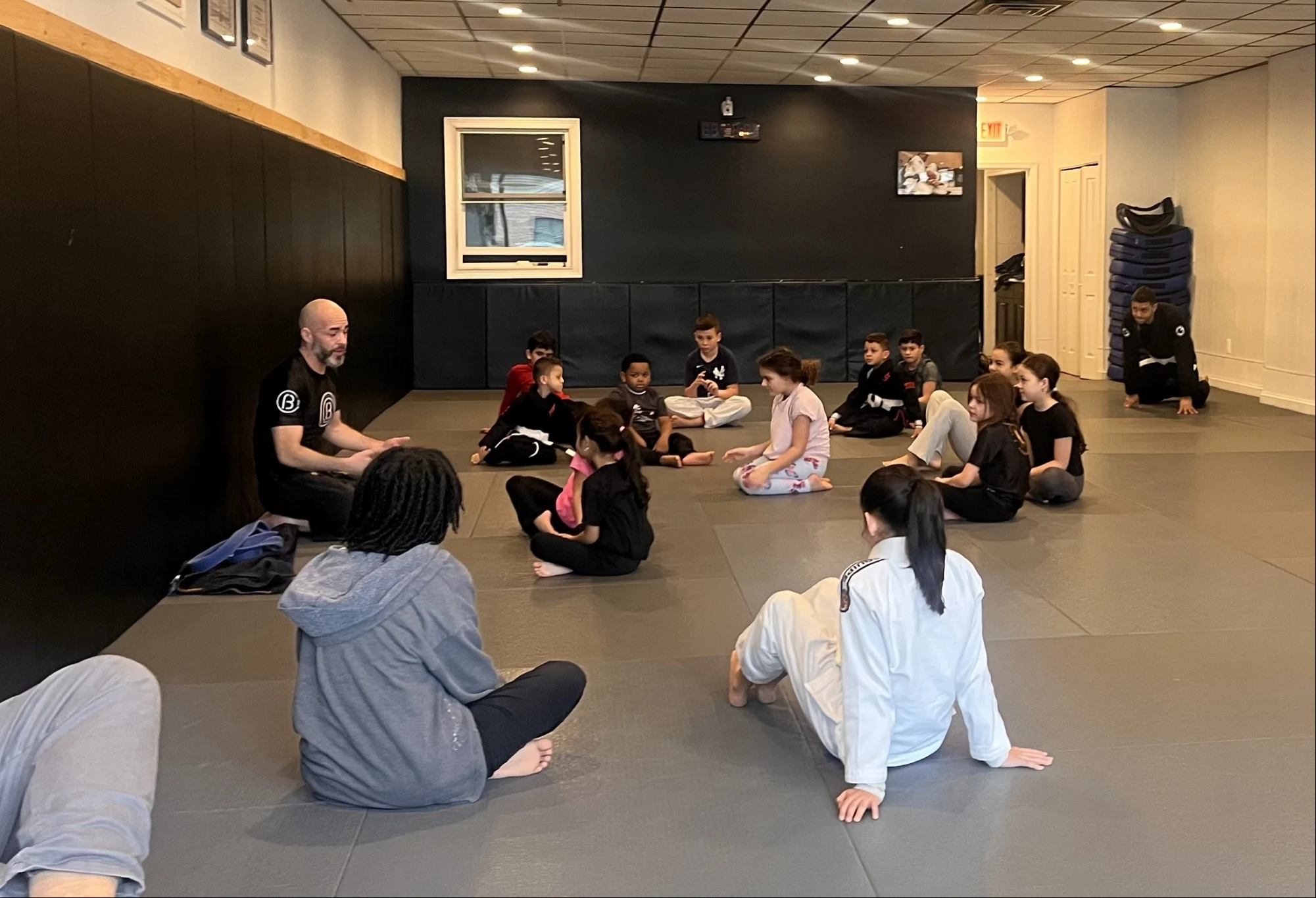
Is Brazilian Jiu-Jitsu right for every child?
I wouldn’t recommend it based only on a description like shy, energetic or new to sports. I would want to understand the individual child and see how the instructor responds.
If physical contact makes your child uncomfortable, tell the coach before class and ask how an introduction would be handled. If your child is eager to join everything, ask how expectations and partner boundaries are explained.
A trial can help you gather information, but it isn’t a test your child has to pass. Afterward, I would listen for what interested them, what felt uncomfortable and whether they want to return. Those answers deserve attention alongside your own goals.
A competition win is one part of our story
Both of my daughters train, and my youngest has competed. At eight years old, she had a memorable win against a boy with an armbar.
It mattered to me to see her apply what she had practiced. But a supervised competition is not proof of what would happen against someone bigger or stronger outside that setting.
I don’t want a result to become the only thing we notice. Effort, patience and learning to handle frustration matter to me too, whether a child’s experience includes competition or not.
Questions I’d ask before enrolling my own child
These are questions I would bring to any martial arts school. I would listen to the answers, then look for whether the class reflects them.
- Instructor experience: What experience do you have teaching children, and who guides the curriculum?
- Beginners: What will my child do first, and how do you explain unfamiliar activities?
- Age and readiness: How are groups and partners chosen? What happens if the usual group isn’t a good fit?
- Supervision: How do you monitor partner practice and recognize when someone needs help?
- Live practice: When is resistance introduced, what is off-limits, and how are stop signals taught and respected?
- Frustration: How do you respond when a child is upset, distracted or unwilling to continue?
- Parent observation: Can I watch, and when can we discuss concerns?
- Practical expectations: What are the schedule, tuition, equipment costs and membership terms?
Then I would ask my child a question of equal importance: did you feel listened to and respected? I would want to know what happened during class that made them feel that way.
A few other questions parents ask
At what age should a child start jiu-jitsu?
At RBJJ, our younger group is approximately ages 5–9 and our older group is approximately 9–13+. Those are guides, not hard cutoffs: size, maturity, experience and coach judgment also help determine placement.
I wouldn’t choose on a birthday alone; the American Academy of Pediatrics notes that children develop at different rates and that sports readiness involves physical, mental and social skills (AAP guidance). Talk with the coach about where your child would fit.
Is Brazilian Jiu-Jitsu safe for children?
No sport is entirely without risk, and the AAP emphasizes appropriate training, coaching and supervision in martial arts (AAP parent guide). I would ask specific questions about contact and safety, and speak with your child’s pediatrician about individual health concerns.
Will my child have to compete?
RBJJ’s kids’ program page states that competition is optional. My daughter’s experience is part of our family’s story, not an expectation I would place on another child.
What should my child wear to a first class?
The academy’s first-class guide recommends comfortable athletic clothes, says a gi is not needed for the trial, and lists what to bring. Check that guide before your visit rather than buying equipment in advance.
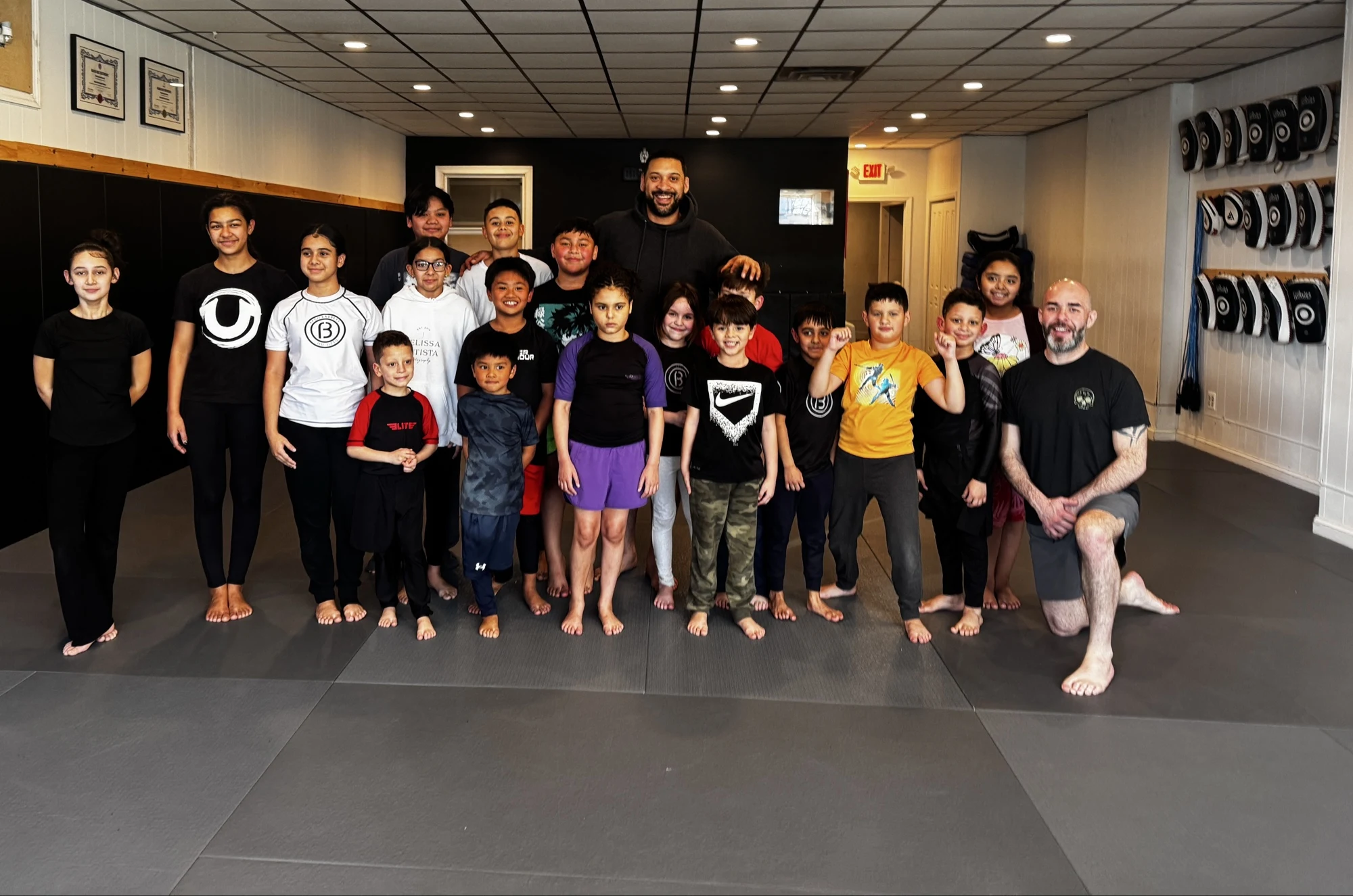
You’re welcome to see for yourself
We’re no longer at the Edison location where our story began. Radji Barrett Jiu-Jitsu Academy is now at 540 New Brunswick Ave, Fords, NJ 08863, within Woodbridge Township.
What I hope to offer is patient guidance, clear expectations and genuine care for the children I help coach. Fatherhood shapes that hope, but I welcome mothers, fathers, guardians and every caregiver trying to make a thoughtful decision for a child.
If you’d like to observe the environment or try a class, you’re welcome. You don’t need to arrive already convinced that jiu-jitsu is the answer.