One of the first questions new students ask is: should I train in the gi or no-gi? The answer depends on your goals, but the good news is you don't have to choose — most academies offer both.
Here's a breakdown of the differences and how to decide.
What Is the Gi?
The gi (also called kimono) is the traditional uniform used in Brazilian Jiu-Jitsu. It consists of:
- Jacket: Heavy cotton top with a thick collar
- Pants: Reinforced drawstring pants
- Belt: Indicates rank and progression
What Is No-Gi?
No-gi is BJJ trained without the traditional uniform. Practitioners wear:
- Rash guards (athletic shirts)
- Shorts or spats (leggings)
- No belt (rank is shown by other means)
Key Differences
Grip Fighting
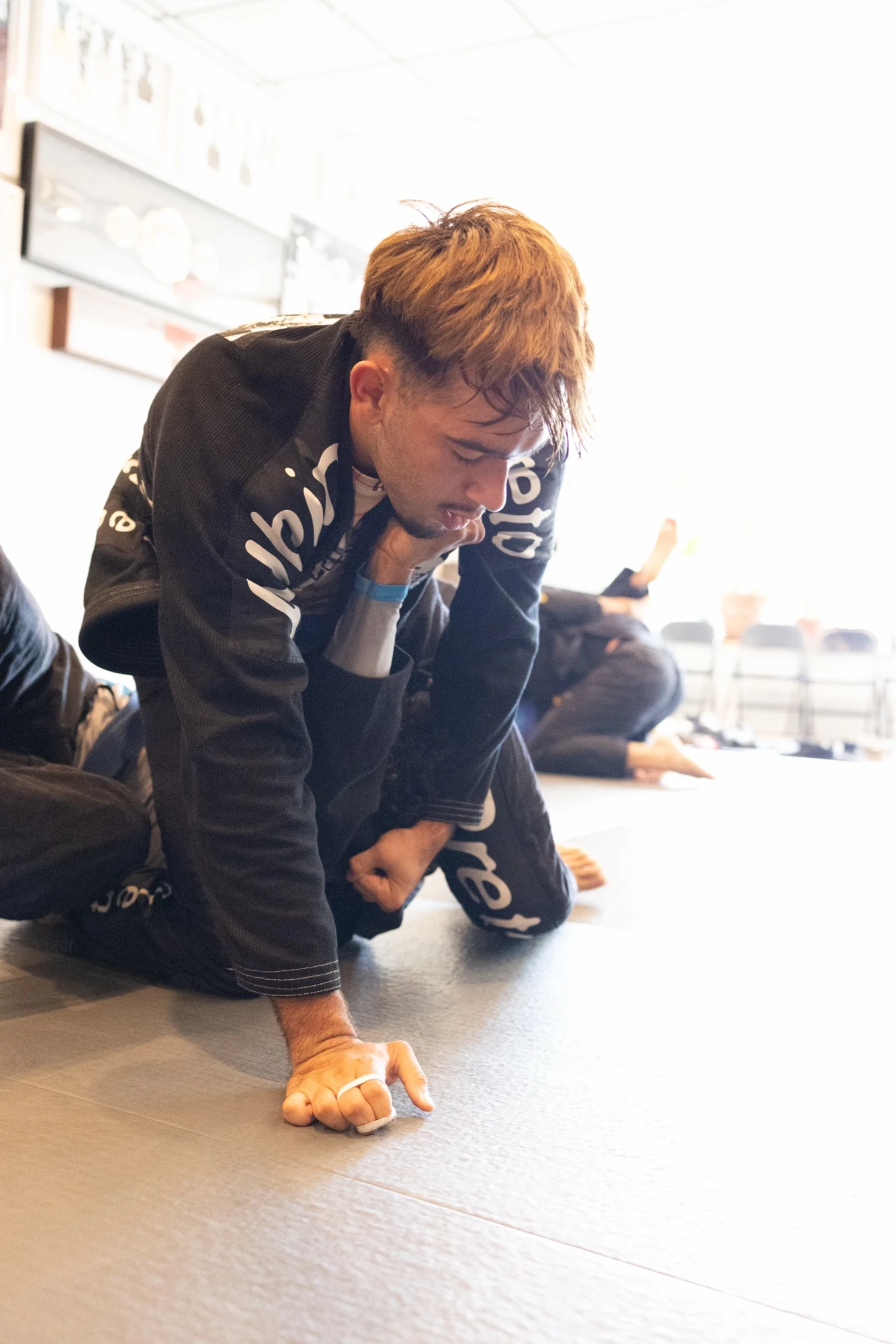
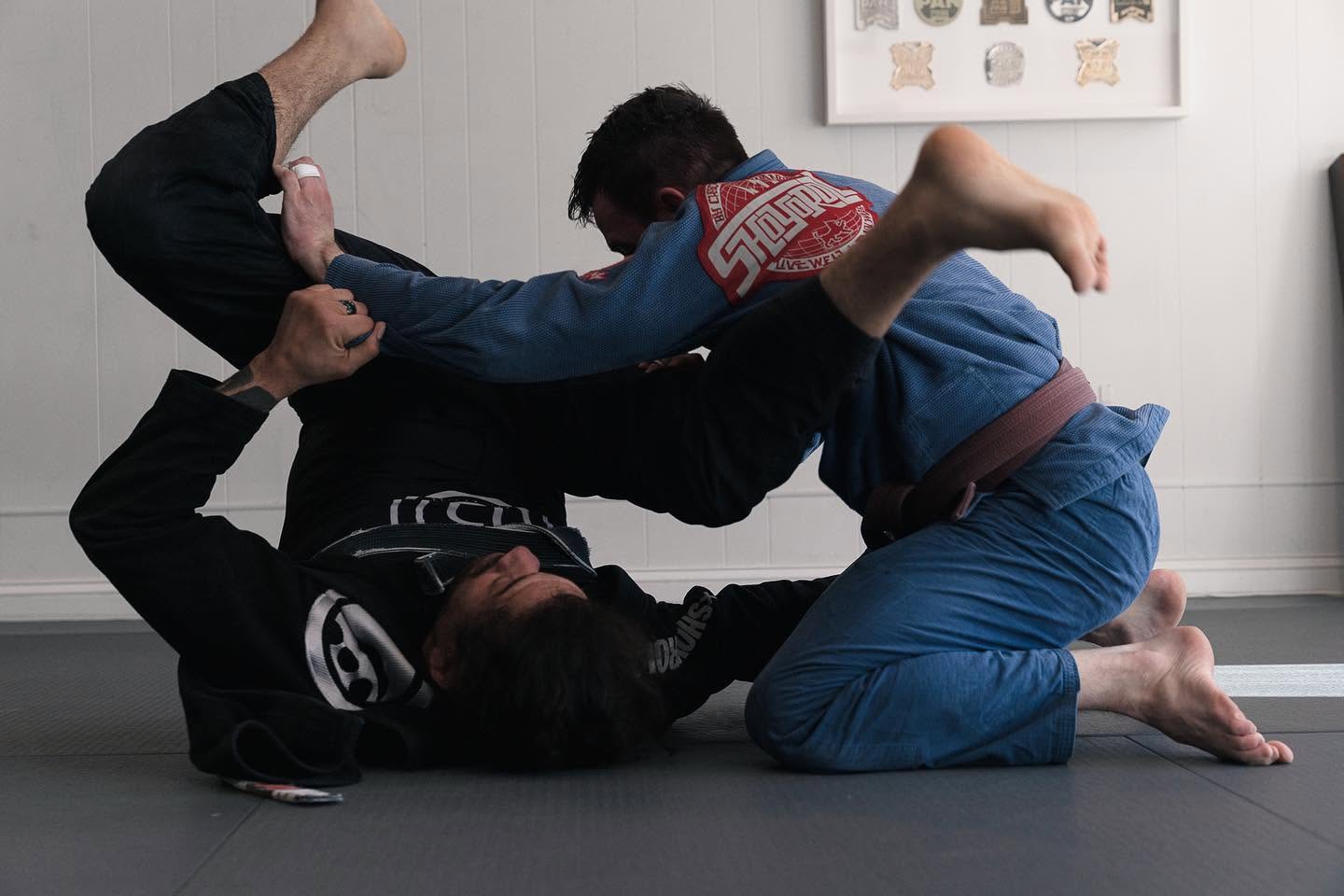
The biggest difference is grips. In gi BJJ, you can grab your opponent's collar, sleeves, and pants. This creates:
- More control and slower pace
- Complex grip battles and strategies
- More submission opportunities (collar chokes)
- A more technical, methodical game
Pace and Speed
No-gi is faster and more dynamic:
- Less friction (no cloth to grab)
- More slipping and sliding
- Faster transitions
- More athletic, explosive style
Technique Emphasis
Gi techniques:
- Collar and sleeve grips
- Pant grips and lapel control
- Gi-specific chokes
- Guard systems that use the gi
No-gi techniques:
- Body locks and underhooks
- Leg locks (more common in no-gi)
- Wrestling-based takedowns
- Positional control without cloth grips
Which Should You Start With?
Choose Gi If:
- You want the traditional martial arts experience
- You're interested in the belt/rank system
- You prefer a more technical, methodical pace
- You want the best foundation for all grappling
Choose No-Gi If:
- You're interested in MMA or submission grappling
- You prefer a faster, more athletic style
- You don't want to buy a gi initially
- You're focused on self-defense (no-gi is more realistic)
Train Both (Recommended)
Most practitioners eventually train both. Here's why:
- Gi improves no-gi: The control and technical precision from gi translates to better no-gi
- No-gi improves gi: The speed and athleticism from no-gi makes your gi game more dynamic
- Well-rounded: Both together make you a complete grappler
What We Recommend for Beginners
At our academy in Fords, NJ, we recommend beginners:
Start with Gi
The gi provides more control and feedback. It's easier to learn fundamentals when you can grip and control your opponent. The slower pace gives you time to think and understand techniques.
Add No-Gi After 3-6 Months
Once you have a foundation, add no-gi classes. The transition is easier when you already understand positioning and control.
Train Both Long-Term
The best grapplers train both. Each improves the other.
Cost Considerations
Gi Training
You'll need to purchase a gi ($50-$150). Most academies sell them or can point you to good brands. A single gi can last 1-2 years of regular training.
No-Gi Training
You just need a rash guard and shorts ($30-$60 total). Cheaper to start.
Most Memberships Include Both
At our academy, your membership covers both gi and no-gi classes. You can train both without paying extra.
Common Questions
"Is no-gi easier?"
It's different, not easier. No-gi is faster and more athletic, but gi is more technical. Both have their challenges.
"Do I need to buy a gi for my first class?"
No. Most academies let you try a class in regular athletic clothes. You can decide about a gi after you've tried it.
"Which is better for self-defense?"
No-gi is more realistic (attackers don't wear gis), but gi training builds better fundamentals. Both are valuable.
"Can I switch between them?"
Yes, and most people do. The fundamentals transfer. Training both makes you better at each.
Getting Started
The best way to understand the difference is to try both. At our academy serving Fords, Edison, Woodbridge, and Middlesex County, your free first class can be gi or no-gi.
Related Reading
- What to Expect at Your First BJJ Class — what happens in your first class
- Is BJJ Safe? What Parents and Beginners Need to Know — safety before you start
- Adult BJJ: More Than Just a Workout — why adults train both
Book your free class — no experience needed, and you don't need a gi to start.
Ready to Start Training?
Book your free first class at our academy in Fords, NJ. No experience needed.