Brazilian Jiu-Jitsu can look intense from the outside. Watching two people wrestle on the ground, applying joint locks and chokes, it's natural for parents and beginners to wonder: is this actually safe?
The short answer is yes — BJJ is one of the safest martial arts you can train, especially when compared to striking arts like boxing or kickboxing. But let's break down exactly why, and what you should look for in a good academy.
Why BJJ Is Safer Than You Think
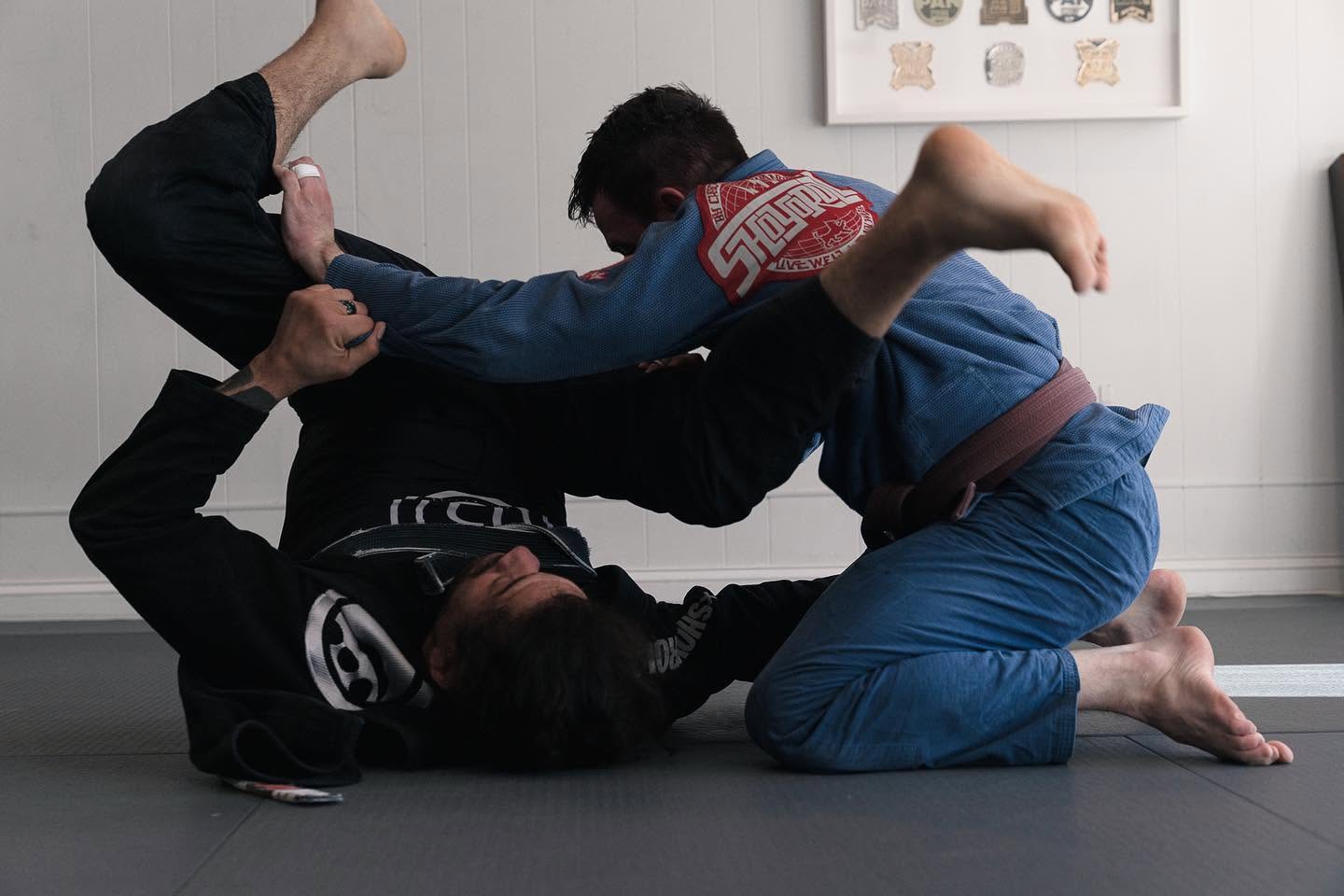
The core principle of Brazilian Jiu-Jitsu is control. Unlike striking sports where the goal is to hit someone, BJJ focuses on positioning, leverage, and submission. Practitioners "tap out" long before an injury occurs, and training partners are taught to respect the tap immediately.
According to studies on martial arts injuries, BJJ has a lower injury rate than many popular sports including soccer, basketball, and football. The most common BJJ injuries are minor — bruises, small cuts, and occasional jammed fingers — not the concussions or serious joint injuries people fear.
What Makes Training Safe at a Good Academy
Safety in BJJ depends heavily on the academy culture and coaching. At our academy in Fords, NJ, we prioritize:
- Structured beginner programs — new students learn fundamentals before live sparring
- Age-appropriate grouping — kids train with kids their size and age
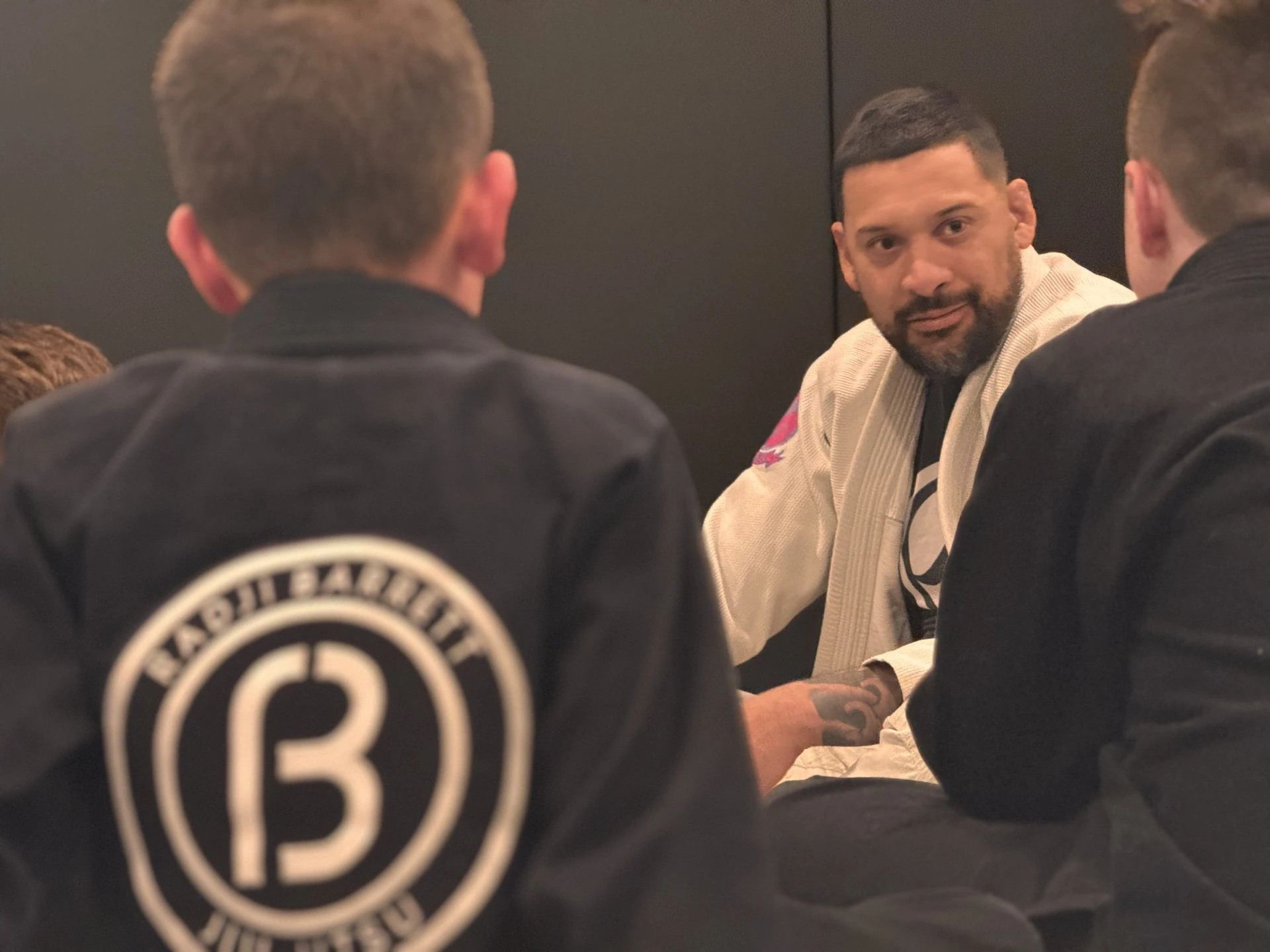
- Experienced coaching — instructors who correct technique and manage intensity
- Partner safety culture — everyone is taught to tap early and respect their training partner
- Clean mats — proper hygiene to prevent skin infections
Common Concerns from Parents
"Will my child get hurt?"
Children's BJJ classes focus on games, technique, and controlled grappling. Kids don't do the intense sparring that adults do. Classes are designed to build coordination, confidence, and discipline while keeping things fun and safe.
"Is it too aggressive?"
BJJ is actually called "the gentle art" for a reason. It teaches kids to control a situation without hurting anyone. Many parents find that martial arts training actually reduces aggressive behavior by giving children a healthy outlet and teaching them respect.
"What about injuries for adults?"
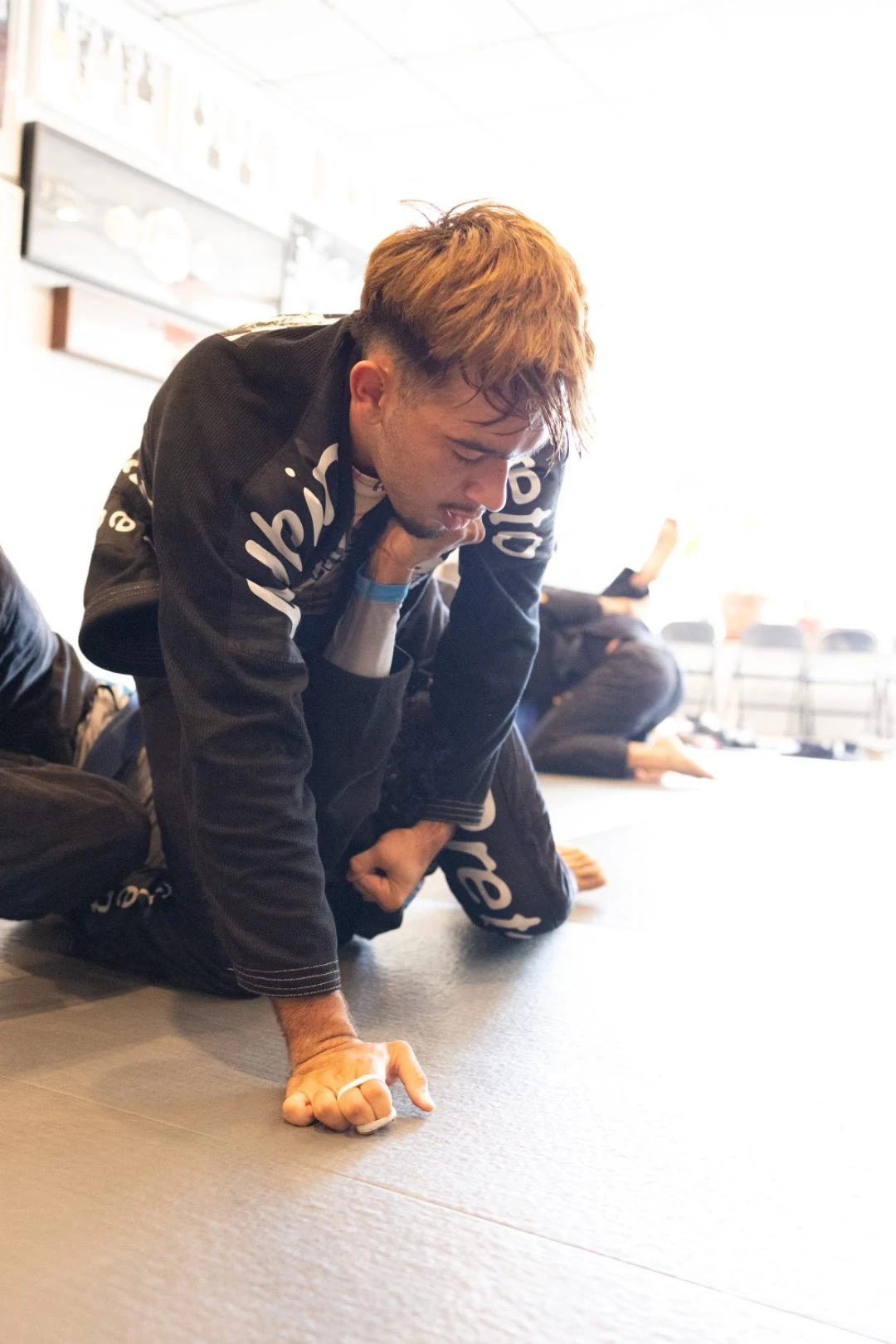
Adult beginners start slowly. You'll drill techniques with a cooperative partner before ever doing live sparring. Most injuries in BJJ come from ego — people refusing to tap or going too hard. A good academy teaches you to check your ego at the door.
What to Look for in a Safe Academy
Whether you're in Fords, Edison, Woodbridge, Iselin, or Metuchen, when choosing a BJJ academy, understanding what Brazilian Jiu-Jitsu actually is helps. Look for:
- A free trial class so you can experience the culture
- Beginner-focused programs, not just competition teams
- Clean, well-maintained mats and facilities
- Coaches who emphasize safety and technique over winning
- A community where people help each other improve
The Bottom Line
BJJ is safe when trained at a good academy with qualified coaches. The benefits — confidence, fitness, self-defense skills, and community — far outweigh the risks. The best way to find out is to try a free class yourself.
Related Reading
- What to Expect at Your First BJJ Class — everything you need to know before walking in
- Kids BJJ: The Ultimate Guide for Parents — if you're considering classes for your child
- Is jiu-jitsu good for kids? — our parent resource guide
- Gi vs No-Gi BJJ: Which Should You Start With? — understanding the two training styles
Ready to experience it? Book your free trial class at our academy in Fords, NJ. No experience needed. No pressure.
Ready to Start Training?
Book your free first class at our academy in Fords, NJ. No experience needed.