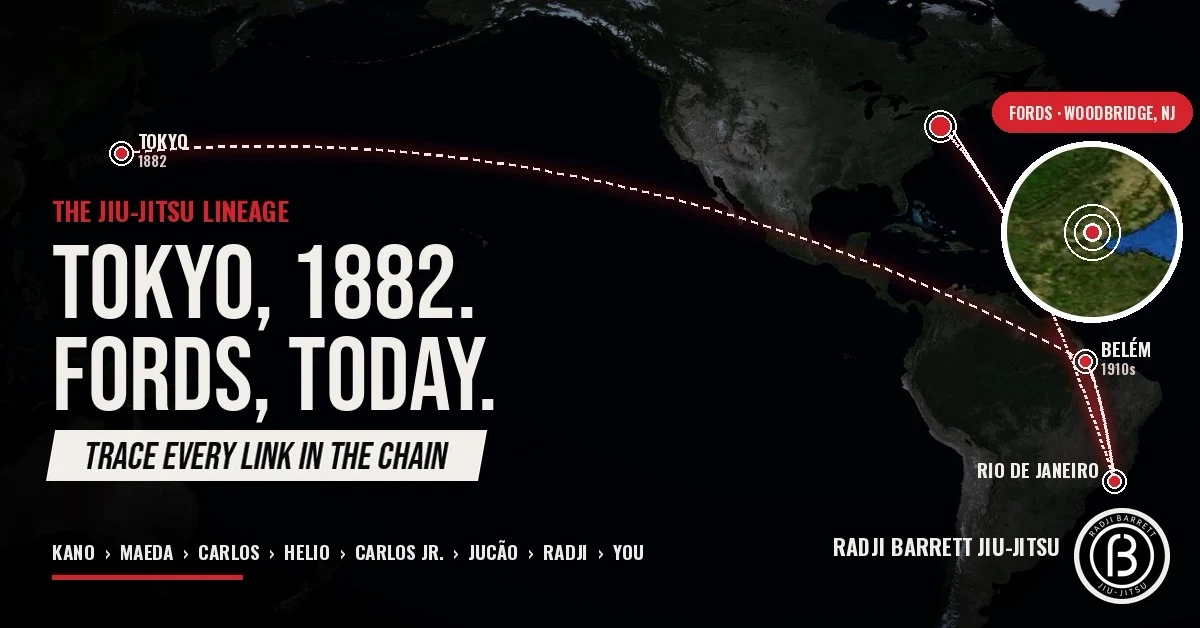
When you walk into a jiu-jitsu academy in Fords, New Jersey, you are not starting something brand new. You are stepping onto the last link of a chain that runs from Tokyo in 1882 to Belém in the 1910s, then Rio de Janeiro, then all the way to a strip of black mat on New Brunswick Avenue. That chain has a name people look for when they are searching for jiu-jitsu near Edison, Perth Amboy, or Metuchen: the Gracie lineage.
Radji Barrett Jiu-Jitsu (RBJJ) is an independent academy in Middlesex County. We are not a Gracie-branded school, not a Gracie Barra affiliate, and not an authorized Gracie University location. What we do have is a direct, verifiable jiu-jitsu lineage. Professor Radji earned his black belt under Ailson "Jucao" Brites, and Jucao's black belt comes from Carlos Gracie Jr. So when you train here, you are training the same Brazilian jiu-jitsu that Carlos and Helio Gracie built in Brazil, handed down one belt at a time.
Below is that family tree, from the top down. Every generation is laid out in full, from Japan down to Fords, and the tree ends with you.
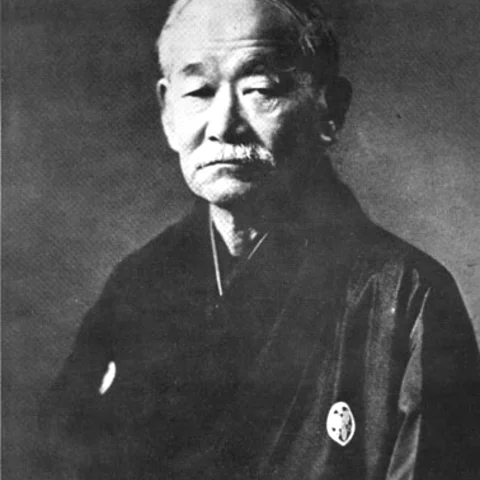
Jigoro Kano
Founder of judo, Kodokan
Japan, 1882
Japanese educator who founded the Kodokan in Tokyo in 1882 and built judo from older jujutsu schools.
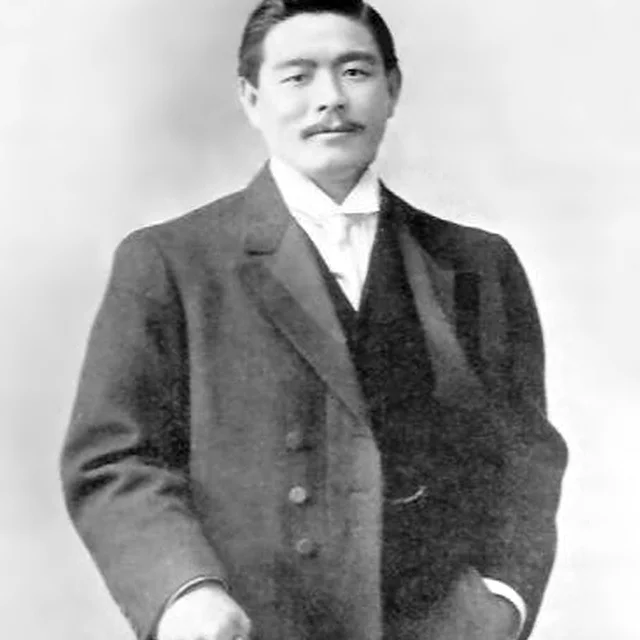
Mitsuyo "Count Koma" Maeda
Kodokan judoka, carried the art to Brazil
Belém, Brazil, 1910s
A Kodokan judoka who left Japan and eventually settled in Belém, Brazil. Family tradition holds that a teenage Carlos Gracie watched him and trained in his circle.
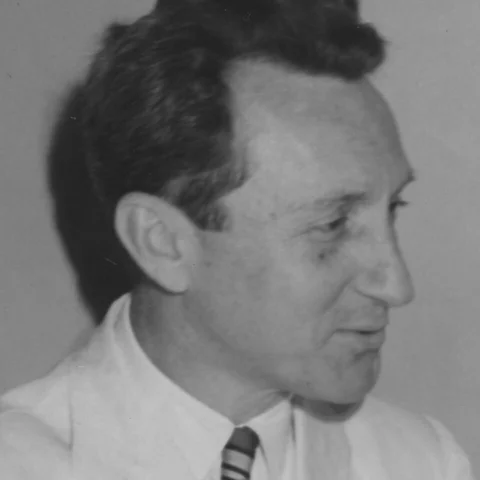
Carlos Gracie
Learned the art in Maeda's circle
Belém → Rio de Janeiro
The oldest Gracie brother. Family tradition holds that Carlos learned from Maeda in Belém and then passed the art to his younger brother Helio, adapting it for smaller people.
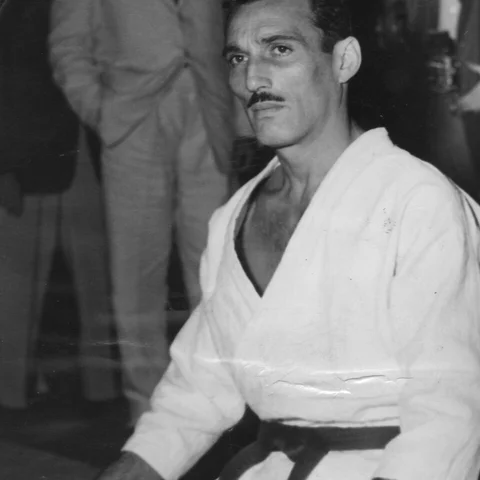
Helio Gracie
Adapted the art with leverage
Rio de Janeiro
Helio refined the art to work for his smaller frame, using timing and leverage over strength. His line of the family continued through his own children, a separate branch from the one that reaches Fords.

Carlos Gracie Jr.
Son of Carlos, founder of Gracie Barra
Rio de Janeiro, 1986
Carlos's son, raised in the family, trained by his uncle Helio and his brother Rolls. He opened Gracie Barra in 1986 and created the CBJJ, which grew into today's IBJJF world championship. Carlos Gracie Jr. is the link where both Gracie branches converge and the modern sport takes shape.
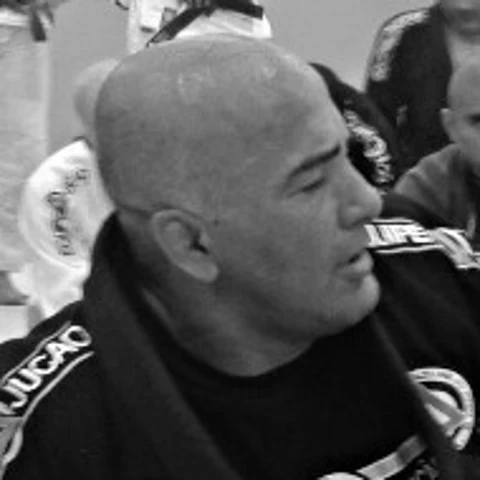
Ailson "Jucao" Brites
Black belt under Carlos Gracie Jr.
Brazil → United States
Started jiu-jitsu at age 10 in Teresópolis, Brazil, and later trained within Gracie Barra. He received his black belt from Carlos Gracie Jr. in January 1993 and went on to teach in the United States.
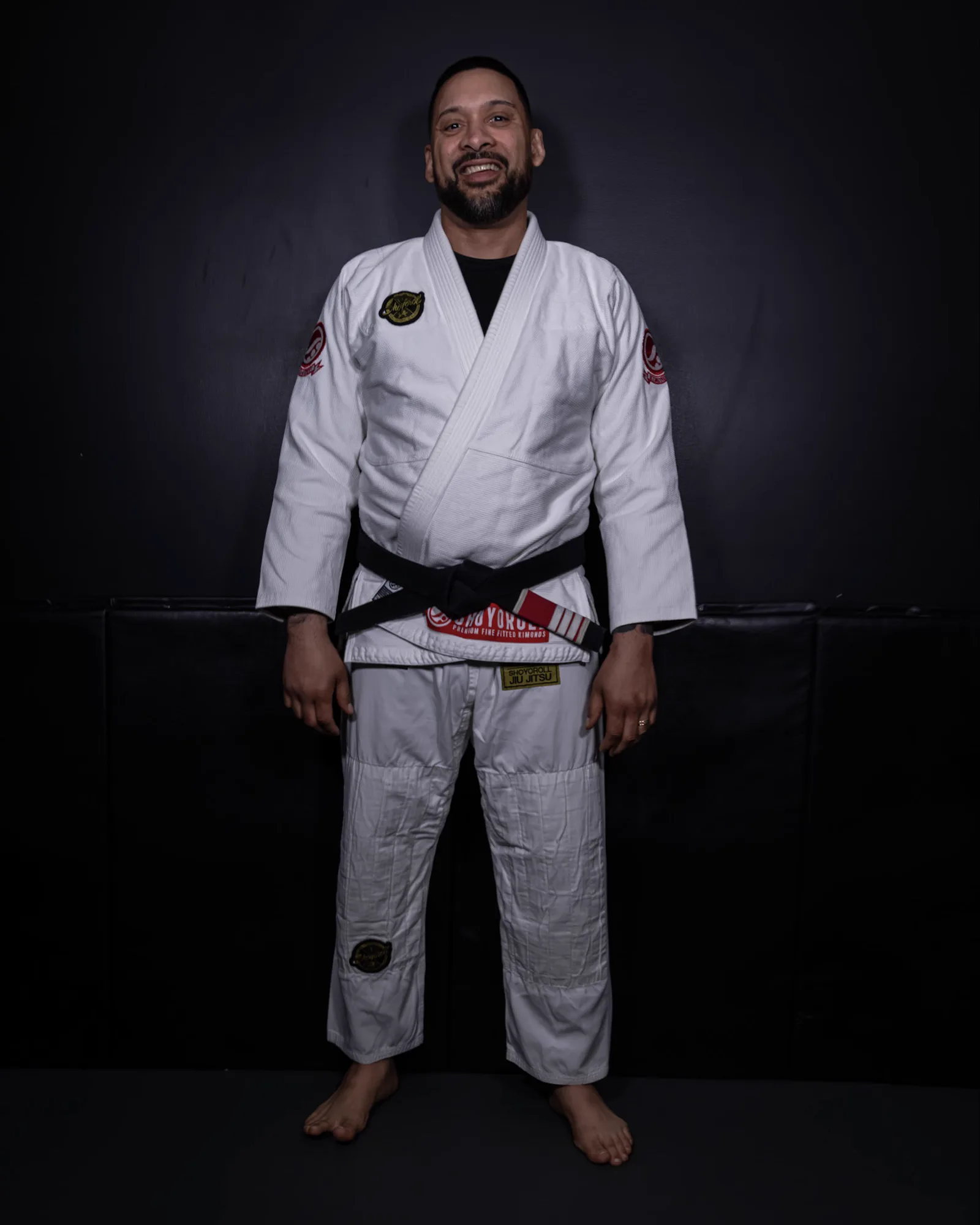
Professor Radji Bryson-Barrett
Black belt, head instructor
Fords, New Jersey
Head instructor at Radji Barrett Jiu-Jitsu. Professor Radji earned his Brazilian jiu-jitsu black belt under Ailson "Jucao" Brites, whose lineage runs through Carlos Gracie Jr. He has held his black belt since 2015 and brings that lineage to every class in Fords.

Photos of Jigoro Kano, Mitsuyo Maeda, Carlos Gracie, and Helio Gracie are from Wikimedia Commons and are in the public domain (public domain / Japan old-photo rules, and public domain / Arquivo Nacional collection for the Gracie brothers). Photo of Ailson "Jucao" Brites by Rebelx2g1 via Wikimedia Commons, licensed CC BY-SA 4.0. A silhouette is used for Carlos Gracie Jr.
Origins in Japan
Jiu-jitsu did not start in Brazil. It started in Japan as jujutsu, an older set of close-combat methods used by samurai. In 1882, a 22-year-old Japanese educator named Jigoro Kano opened the Kodokan in Tokyo and distilled that older jujutsu into something he called judo, a system that could be practiced safely and taught to anyone. Kodokan students then carried judo abroad.
One of those students was Mitsuyo Maeda. Maeda left Japan in 1904, traveled abroad to teach and fight, and arrived in Brazil in 1914. He settled in the northern city of Belém, where he gave public demonstrations and taught. According to Gracie family tradition, a teenage Carlos Gracie watched him there. This is where the Gracie name enters the story.
Maeda's journey and the Gracie family
Carlos Gracie was born in Belém in 1902. Family tradition holds that Carlos learned jiu-jitsu in Maeda's circle, then brought the art home and taught it to his younger brother Helio. Over the following decades, the Gracie brothers adapted the art for their own bodies, testing it in challenge matches and refining it around leverage and timing rather than raw strength. That adapted art later became known around the world as Brazilian jiu-jitsu.
Helio Gracie is the brother most people recognize, because his style of using leverage to overcome a bigger opponent became the family's signature. His sons and nephews kept training, competing, and spreading the art around the world. But the branch of the family tree that reaches Fords, New Jersey, runs through Carlos Gracie Jr., the son of Carlos.
Carlos Gracie Jr. and the sport's global growth
Carlos Gracie Jr. was born in Rio de Janeiro in 1956 and grew up inside the family. He trained under his uncle Helio Gracie and his older brother Rolls, and received his black belt from Helio. In 1986 he founded Gracie Barra in the Barra da Tijuca neighborhood of Rio. He also created the CBJJ, which evolved into the IBJJF, the federation behind today's world championship and most major Brazilian jiu-jitsu tournaments.
Carlos Gracie Jr. is the reason the lineage tree splits into two branches and then converges again. He is Carlos Gracie's son, so he continues Carlos's side of the family. He also trained directly with Helio and Rolls, so he carries Helio's branch forward too. That is why the tree shows Carlos and Helio side by side, and then Carlos Gracie Jr. below both of them.
Where Jucao and Professor Radji fit in
Ailson Henrique Brites, better known as "Jucao," began training jiu-jitsu at age 10 in Teresópolis, in the mountains outside Rio. He later trained within Gracie Barra and received his black belt from Carlos Gracie Jr. in January 1993. He went on to teach in the United States.
Professor Radji Bryson-Barrett is one of those students. He earned his Brazilian jiu-jitsu black belt under Jucao, and today he is the head instructor at Radji Barrett Jiu-Jitsu in Fords. His lineage runs straight up the tree: Jucao, Carlos Gracie Jr., Carlos and Helio Gracie, Maeda, and Kano. That is the chain you join when you put on a gi here.
What lineage means for someone in Fords today
Lineage matters for a very practical reason. It tells you the technique on the mat did not come from a YouTube video or someone's guess. Someone taught it to someone, who taught it to someone, all the way back. If your professor has a real black belt from a real instructor with a real lineage, then the technique you are learning today has been tested by thousands of people over more than a century.
That is what we offer in Fords, Woodbridge Township, and across Middlesex County. Serious jiu-jitsu, relaxed people. We are not a franchise or a brand name. We are an independent academy with a direct line to the people who created this art, and we think you should know exactly where that line starts and where it ends.
The tree above ends with a silhouette wearing a white belt. That is you. When you take your first free trial class, you become the next node on the chain, and you decide how far you want to take it. Book your free trial and see where you fit in the lineage.
Radji Barrett Jiu-Jitsu is an independent academy in Fords, New Jersey. We are not an authorized Gracie University school, not a Gracie Barra-affiliated academy, and not a Gracie-branded franchise. Our lineage is direct and verifiable: Professor Radji earned his black belt under Ailson "Jucao" Brites, whose black belt comes from Carlos Gracie Jr. Photos are used under their respective public-domain and Creative Commons licenses, with credit given below the tree. Any Gracie or Gracie Barra marks referenced on this page belong to their respective owners and are used here only as factual references to real people and organizations, not as an endorsement.
Common Questions
Is Brazilian Jiu-Jitsu the same as the Gracie family's jiu-jitsu?
They share the same origin. The two labels describe the same art created by the Gracie family in Brazil from what Mitsuyo Maeda brought from Japan. Over time, "Brazilian Jiu-Jitsu" became the common name for the sport and art worldwide, while the Gracie family's own schools and programs still use the family name for it. The Gracie name and related marks belong to their respective owners and are used here only to describe the art's history.
Does Radji Barrett Jiu-Jitsu teach the Gracie family's style of jiu-jitsu?
Radji Barrett Jiu-Jitsu teaches the same Brazilian jiu-jitsu that comes out of the Gracie lineage. Professor Radji earned his black belt under Ailson "Jucao" Brites, whose lineage runs through Carlos Gracie Jr. We are an independent academy, not an authorized Gracie University school or a Gracie-branded franchise.
Who is Professor Radji's jiu-jitsu lineage?
Professor Radji trains under Ailson "Jucao" Brites. Jucao's black belt came from Carlos Gracie Jr., founder of Gracie Barra and the IBJJF. Carlos Gracie Jr. is the son of Carlos Gracie and trained with Helio Gracie and Rolls Gracie, connecting the modern sport back to both Gracie brothers.
Who is Carlos Gracie Jr.?
Carlos Gracie Jr. is the son of Carlos Gracie. He trained under his uncle Helio Gracie and his older brother Rolls, founded Gracie Barra in 1986, and created the CBJJ (now the IBJJF) that runs today's world championship. He also promoted Ailson "Jucao" Brites to black belt, which is the branch of the family tree that reaches Radji Barrett Jiu-Jitsu.
Do I need to know this history to start training?
No. You can walk into your first free trial class knowing nothing about jiu-jitsu history. Learning who is on the mat with you is part of the culture, but it is not a requirement. Everything on the lineage tree is here because we think you should know exactly where your training comes from.
Get to know the training
Explore our classes in Fords, ask your questions, and decide whether the academy fits what you want to learn.
Explore Your First Class