After more than 25 years of practicing and teaching Jiu Jitsu, I've come to appreciate that having a winning mindset has very little to do with winning every round.
When people think about what it means to be good at Jiu Jitsu, they often measure it by how well someone performs against others.
Who wins the most rounds?
Who taps the most people?
Who has the most effective techniques?
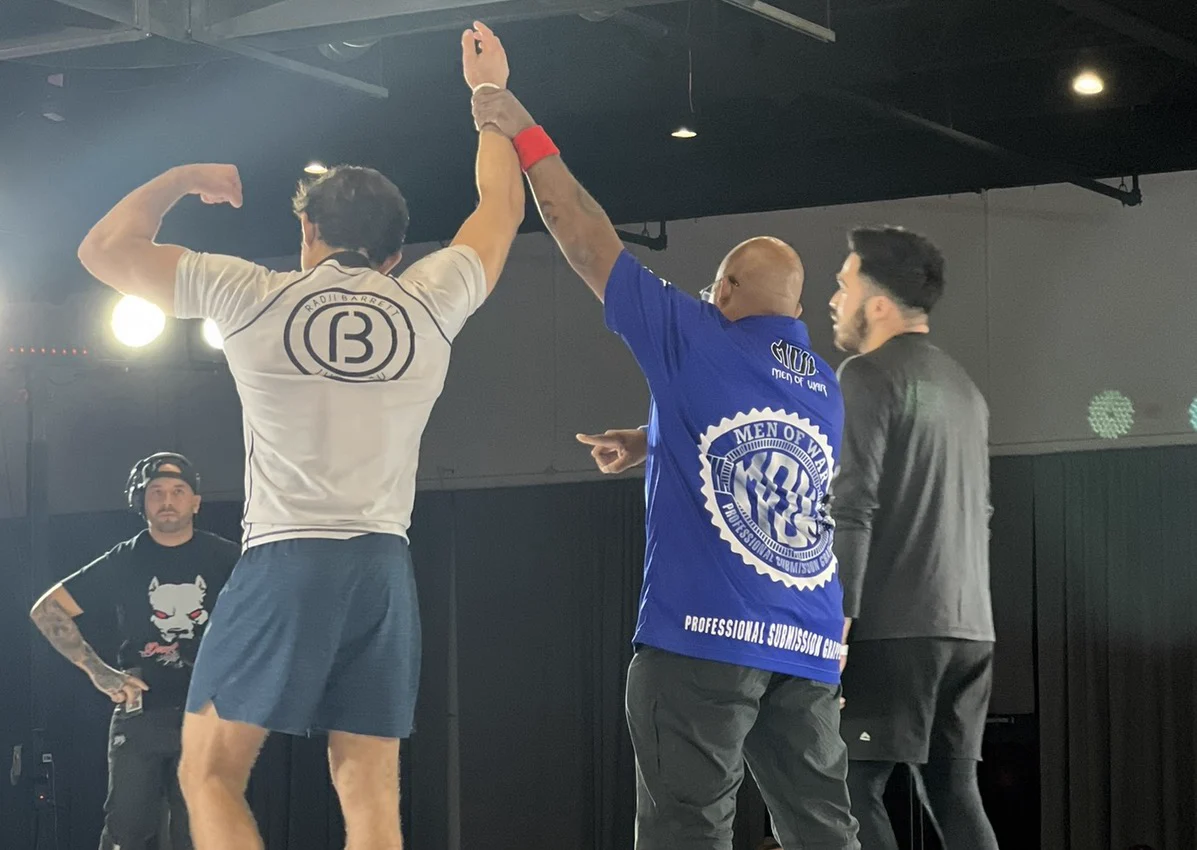
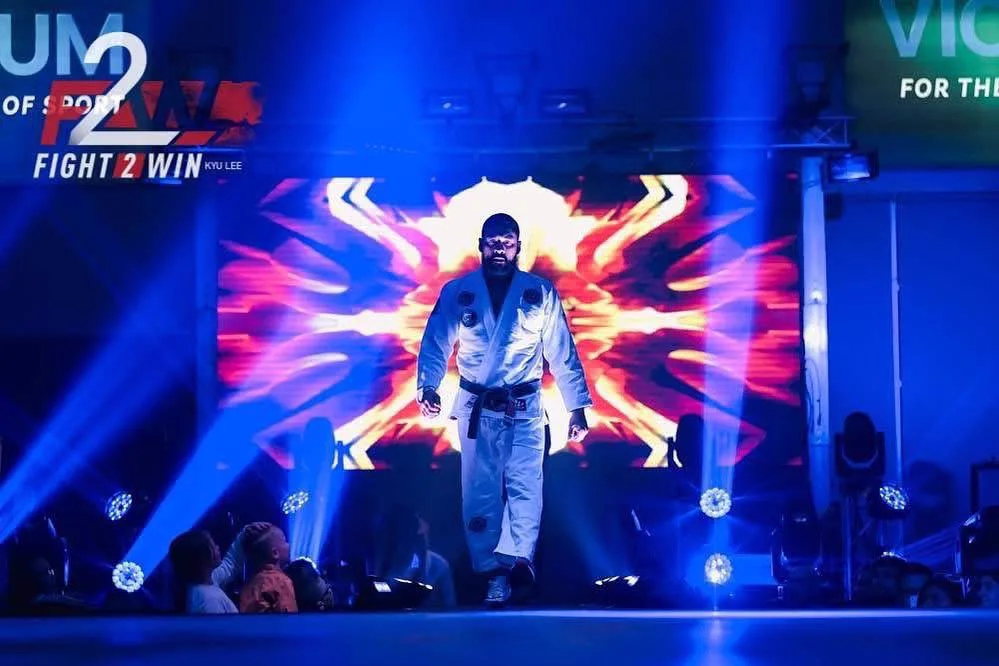
There's certainly nothing wrong with being competitive or wanting to test yourself. Competition has always been an important part of my own development, and I believe there's tremendous value in pushing yourself against people who challenge you.

But over the years, I've come to realize that there's much more to it than that. One of the things I try to emphasize with my students is that training shouldn't become an exercise in constantly trying to prove yourself. If every round is about winning, it's easy to fall into the habit of doing only what you're already good at, avoiding uncomfortable positions, and measuring your progress by the immediate outcome of each exchange.
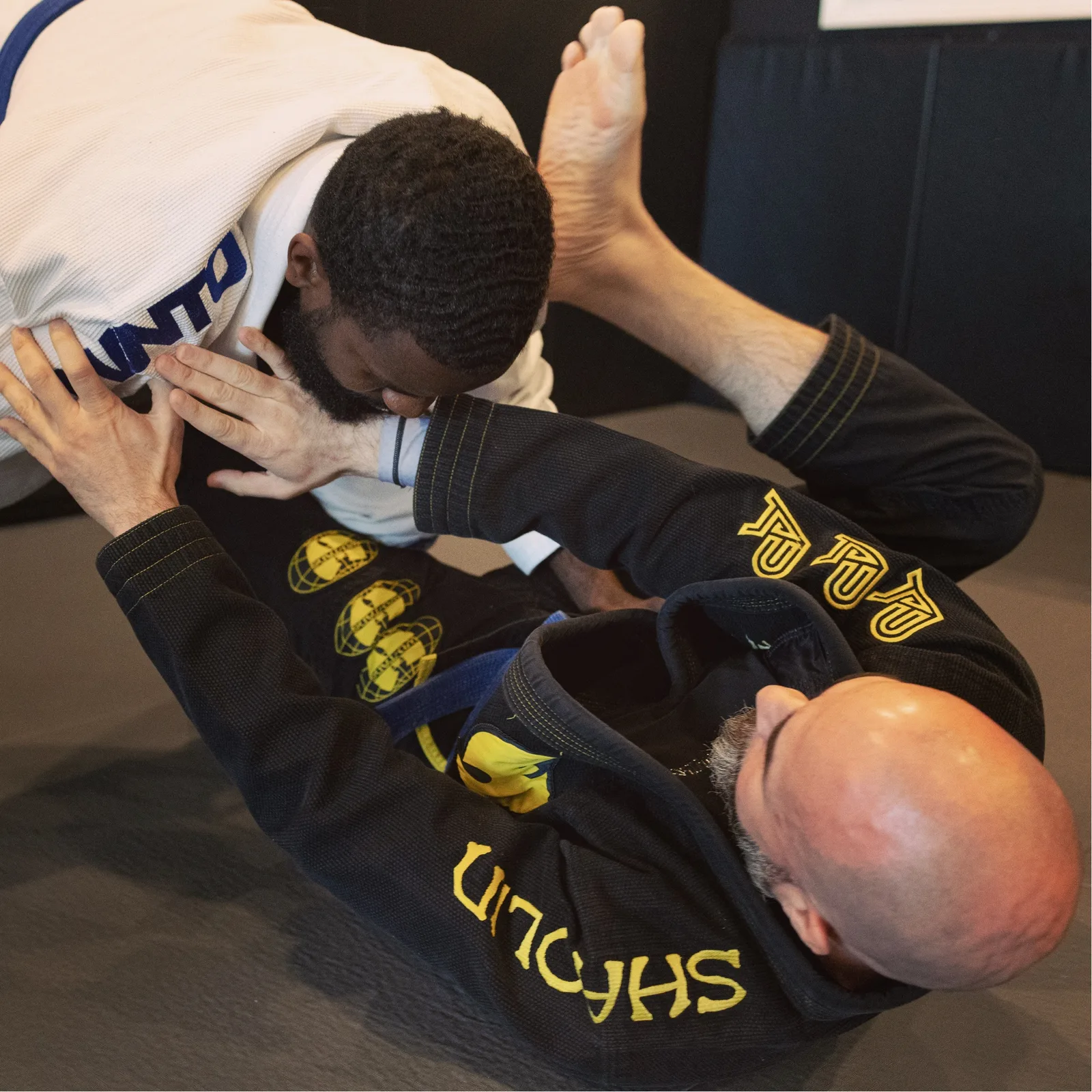
Sometimes you need to put yourself in bad positions. Sometimes you need to experiment with something you're not particularly good at. Sometimes you're going to make mistakes, get caught, and realize that something you thought you understood needs a lot more work. That's part of the process.
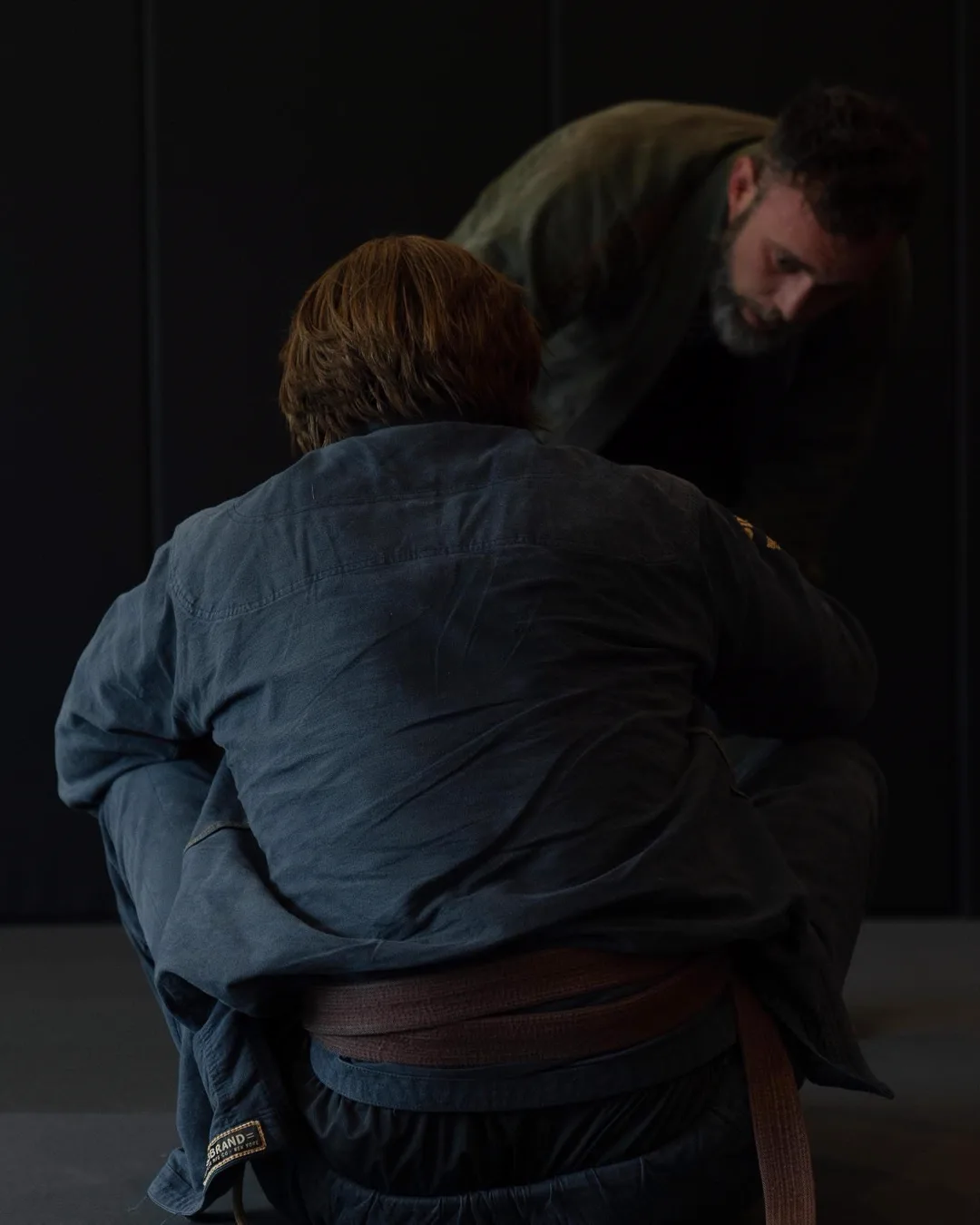
I've always believed that some of the most valuable training comes from those experiences. Not because getting caught or losing a round is inherently productive, but because of what you take away from it.
Are you recognizing where you need to improve?
Are you developing a better understanding of the position?
Are you willing to make adjustments and try again?
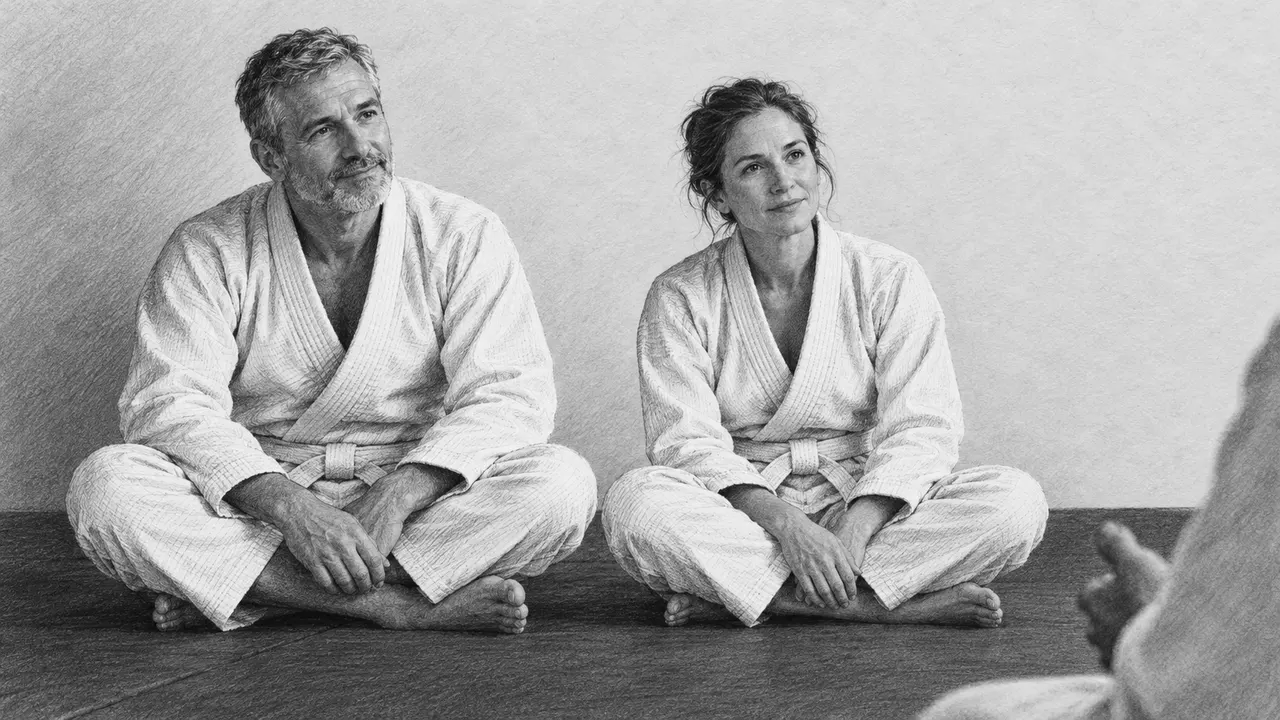
I also think our relationship with Jiu Jitsu changes as we get older and gain more experience. When you're younger, competing and testing yourself can be a major part of your motivation. As the years go by, other things become just as important. You begin to appreciate the technical details, the problem-solving, the relationships you build, and the simple enjoyment of being on the mats.
Longevity becomes part of the equation.
Being able to train consistently, take care of yourself, continue learning, and maintain a genuine appreciation for the art over many years is an accomplishment in itself. I've seen how much people's lives and priorities change, and I've come to appreciate that everyone has a different reason for training.
Some want to compete.
Some want to challenge themselves physically and mentally.
Others simply enjoy learning something difficult and being part of a good training environment.
As an instructor, one of the things I find most rewarding is watching someone develop beyond where they started. Not just becoming more technically proficient, but becoming more comfortable with the learning process itself. Watching someone who was once hesitant begin to experiment, take chances, recognize opportunities, and develop confidence in their abilities is just as rewarding as watching someone achieve success in competition.
Our training partners play a huge role in this process, too. They're not simply people we have to get past or opponents we need to beat. They're the people who expose our weaknesses, challenge our understanding, and give us the opportunity to develop. The better we become at recognizing that, the more we get out of our training.
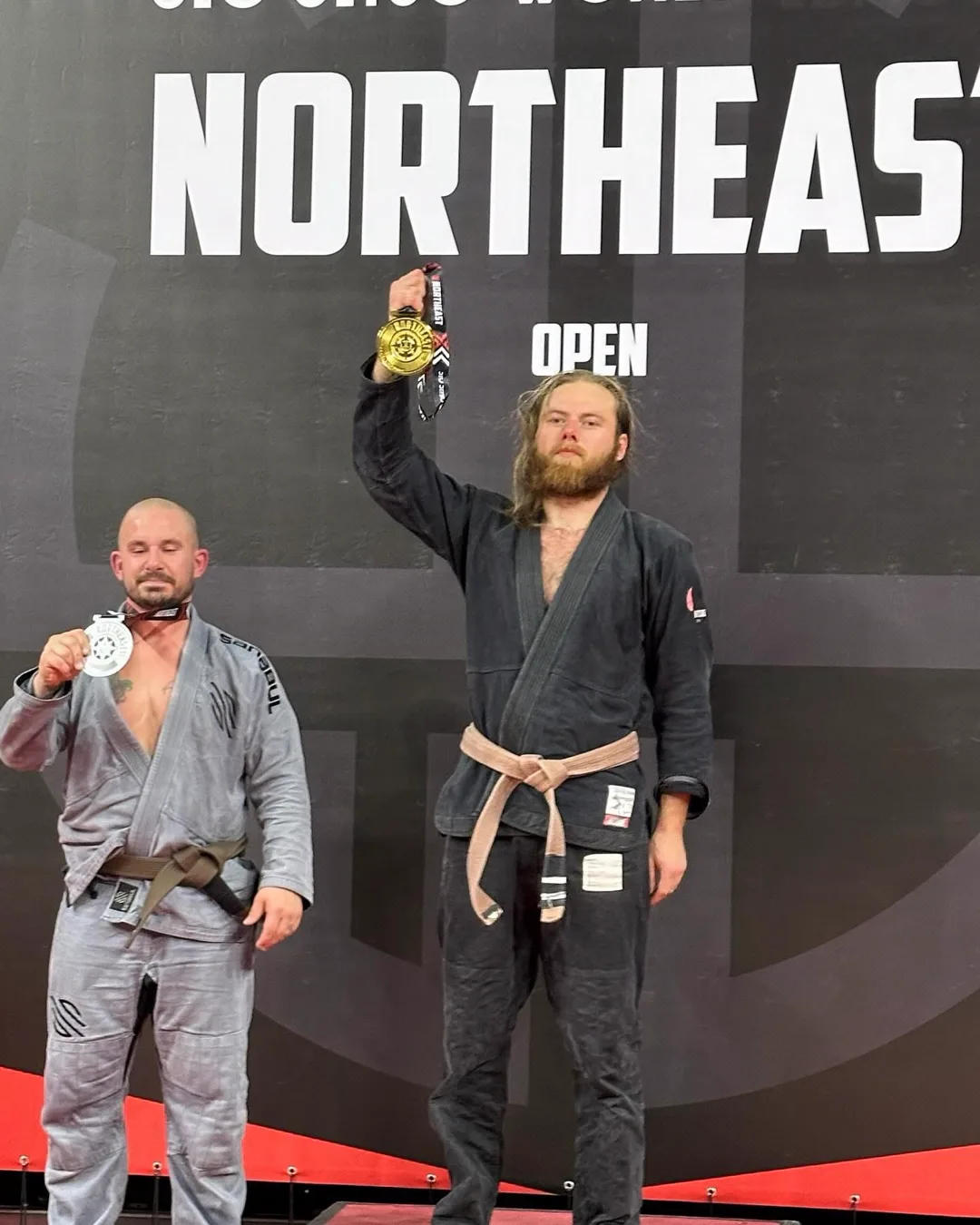
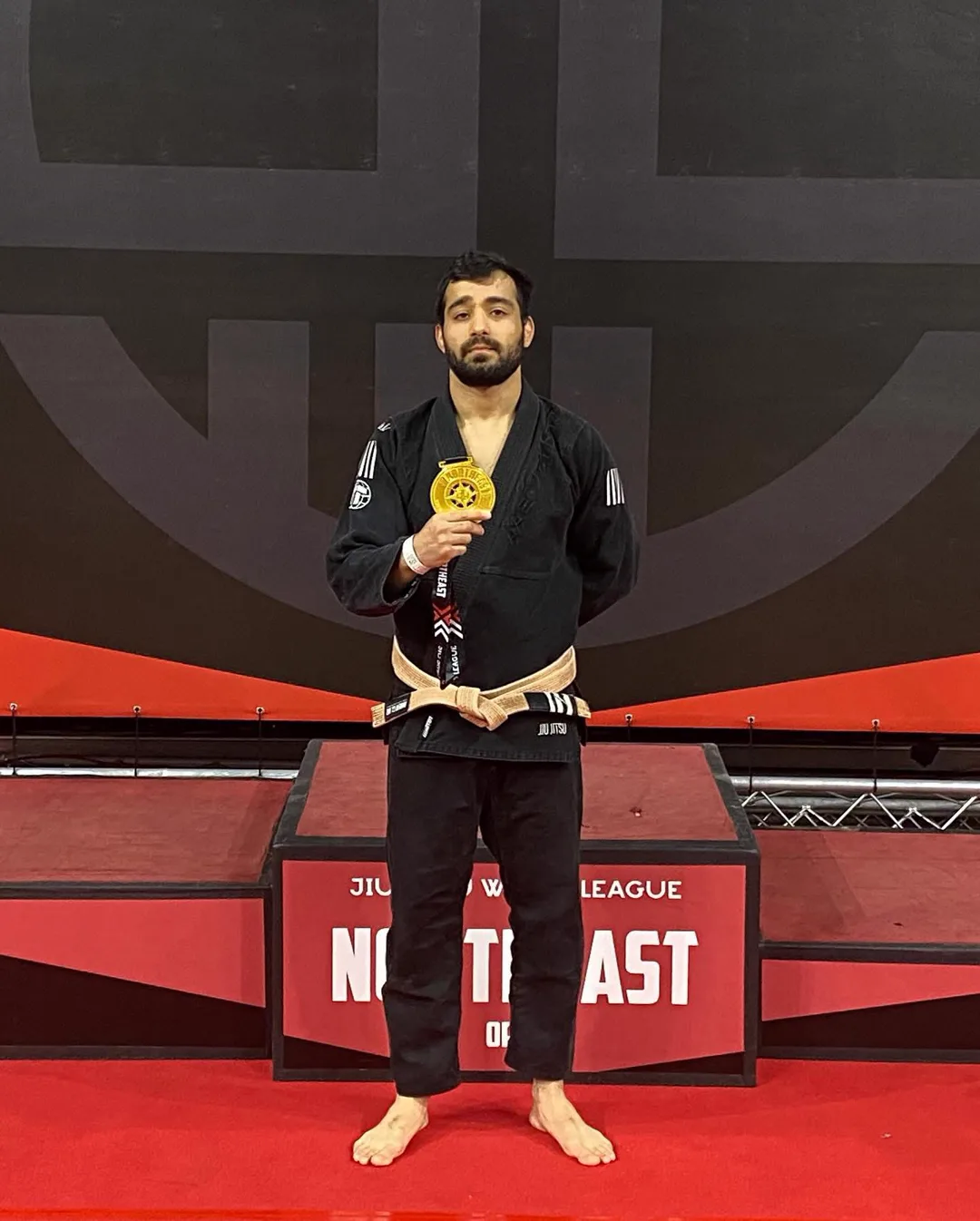
And that doesn't mean becoming less competitive. I still believe in challenging yourself, having goals, and striving to be as good as you can possibly be. I just don't think those things should come at the expense of learning, enjoying the process, or appreciating the people you share it with.
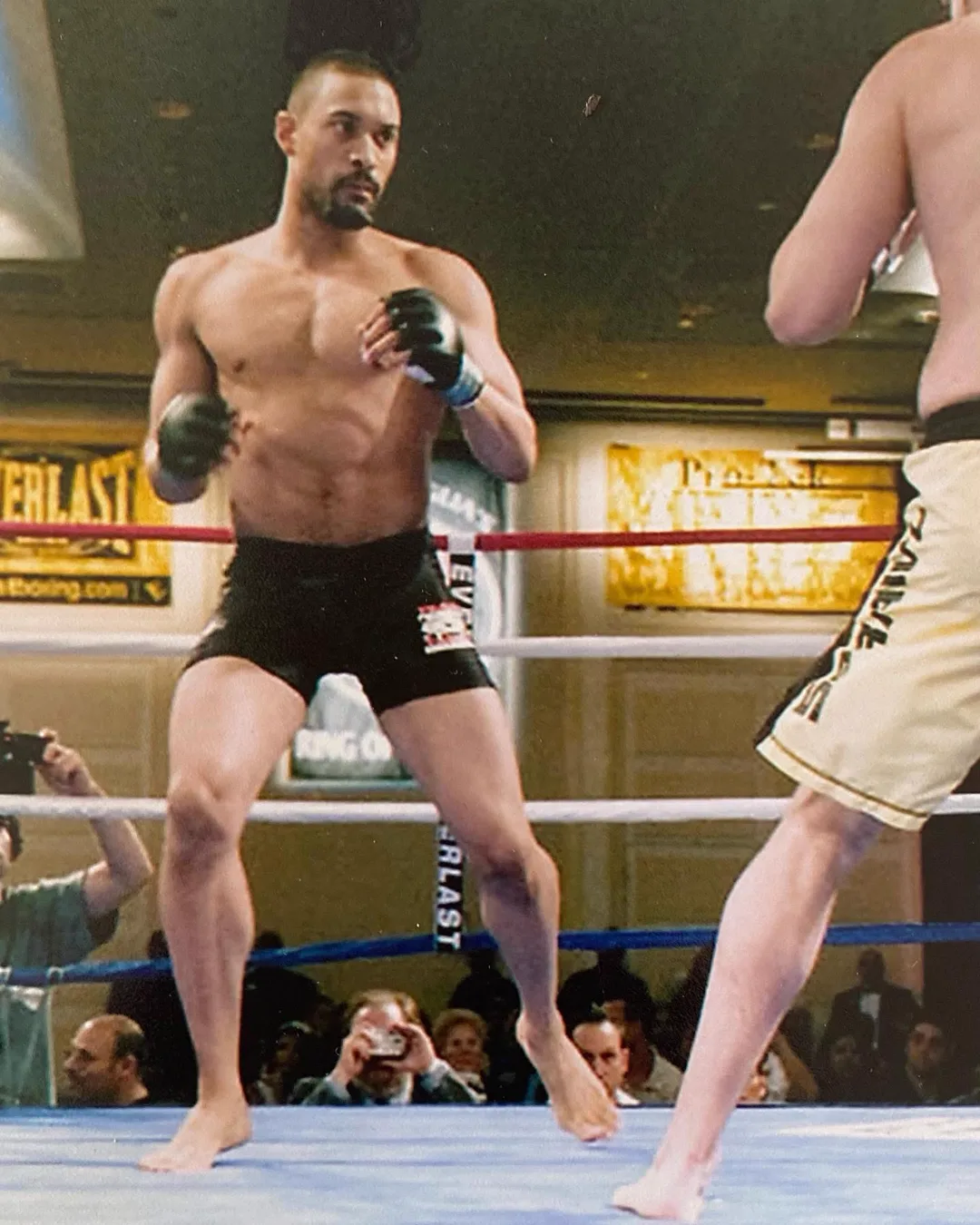
After all these years, I still find myself learning new things, revisiting old concepts, and looking at familiar positions from different perspectives. That's one of the things I love most about Jiu Jitsu. There's always another layer to uncover, another detail to refine, or another way to approach a problem. For me, that's what a winning mindset really comes down to.
It's not about winning every round or measuring yourself against everyone around you. It's about having the willingness to keep learning, the humility to recognize what you don't know, and the patience to understand that development takes time.
It's not
- Winning every round
- Measuring yourself against everyone around you
- Becoming consumed by competition
It's about
- The willingness to keep learning
- The humility to recognize what you don't know
- The patience to understand that development takes time
It's about being competitive without becoming consumed by competition.
Being ambitious without losing sight of why you started in the first place.
And finding a way to continue growing while maintaining the enjoyment that makes you want to come back.
Ready to challenge yourself?
The process starts with showing up. Book a free first class and see what you can learn — or, if you're already all in, enroll today.
Ready to Start Training?
Book your free first class at our academy in Fords, NJ. No experience needed.