
A Mother’s Love. A Boy’s Struggle. A Man’s Responsibility.
What growing up with a single mother, raising two daughters, and coaching young boys taught me about love, discipline, resilience, and the importance of positive male role models.
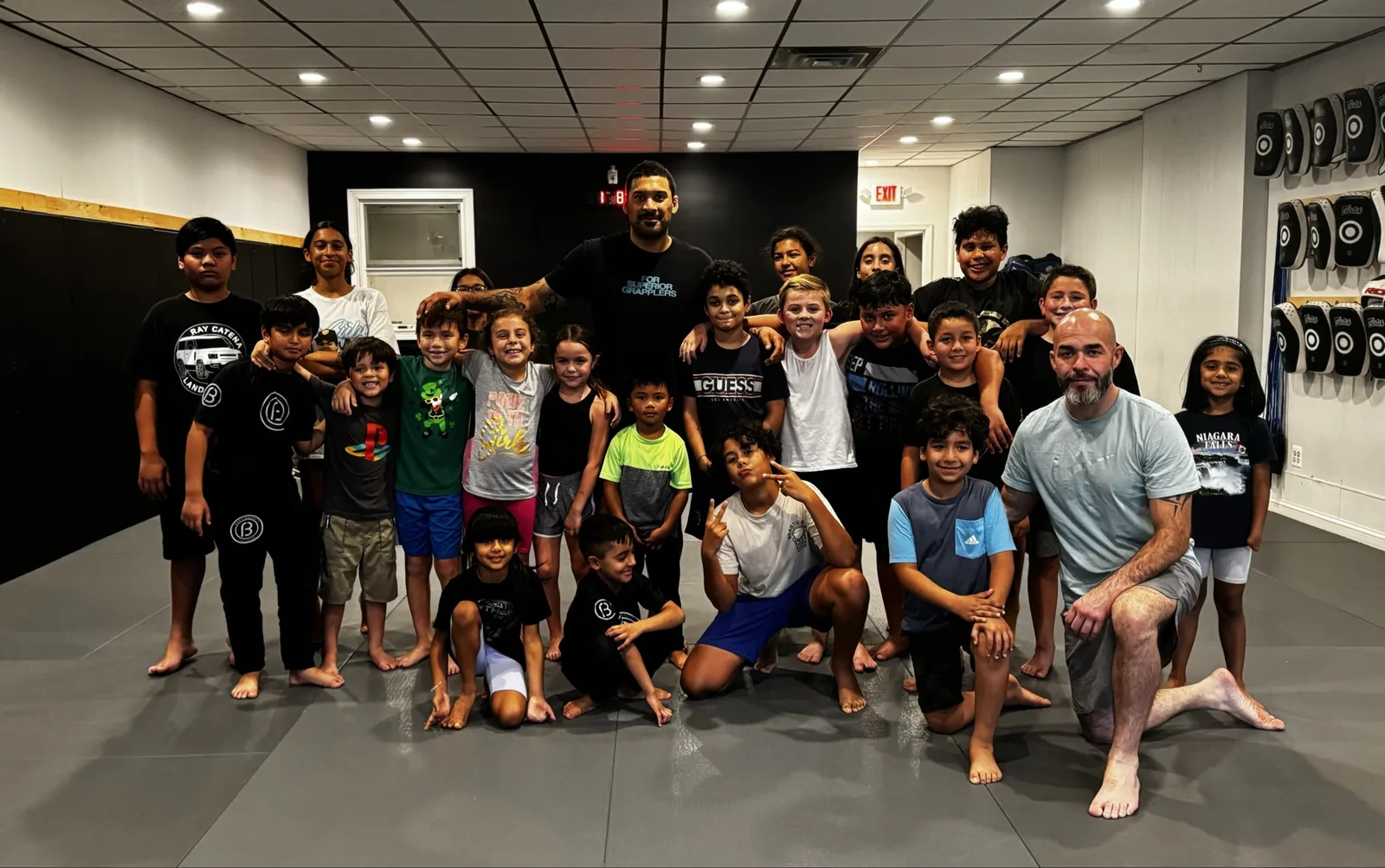
· 11 min read
I Was Raised by a Single Mother
I was raised by a single mother.
And before I say anything else, I want to acknowledge something: there are mothers out there doing the work of two parents, carrying responsibilities most people will never fully understand.
I know that because I was raised by one.
My mother loved me. She did her best with what she had. And I have tremendous respect for the sacrifices she made.
But there’s something I’ve come to understand as I’ve gotten older, become a father myself, and started coaching children in Brazilian Jiu-Jitsu.
Being loved as a boy and being prepared to become a man are not always the same thing.
That realization isn’t a criticism of my mother. It’s a reflection on my own journey, the lessons I had to learn, and something I believe more parents, especially mothers raising sons, deserve to hear.
Because sometimes the very thing we do out of love can unintentionally prevent our children from discovering their own strength.
The Things I Had to Learn for Myself
Growing up without a consistent father figure left certain lessons for me to discover on my own.
Lessons about discipline, emotional regulation, accountability, confidence, and what it means to stand on your own two feet when life gets uncomfortable.
Some of those lessons came through mistakes. Some came through hardship. Others came from deliberately seeking mentorship, surrounding myself with men I respected, and learning to become the kind of man I needed when I was younger.
In many ways, I had to learn how to father myself.
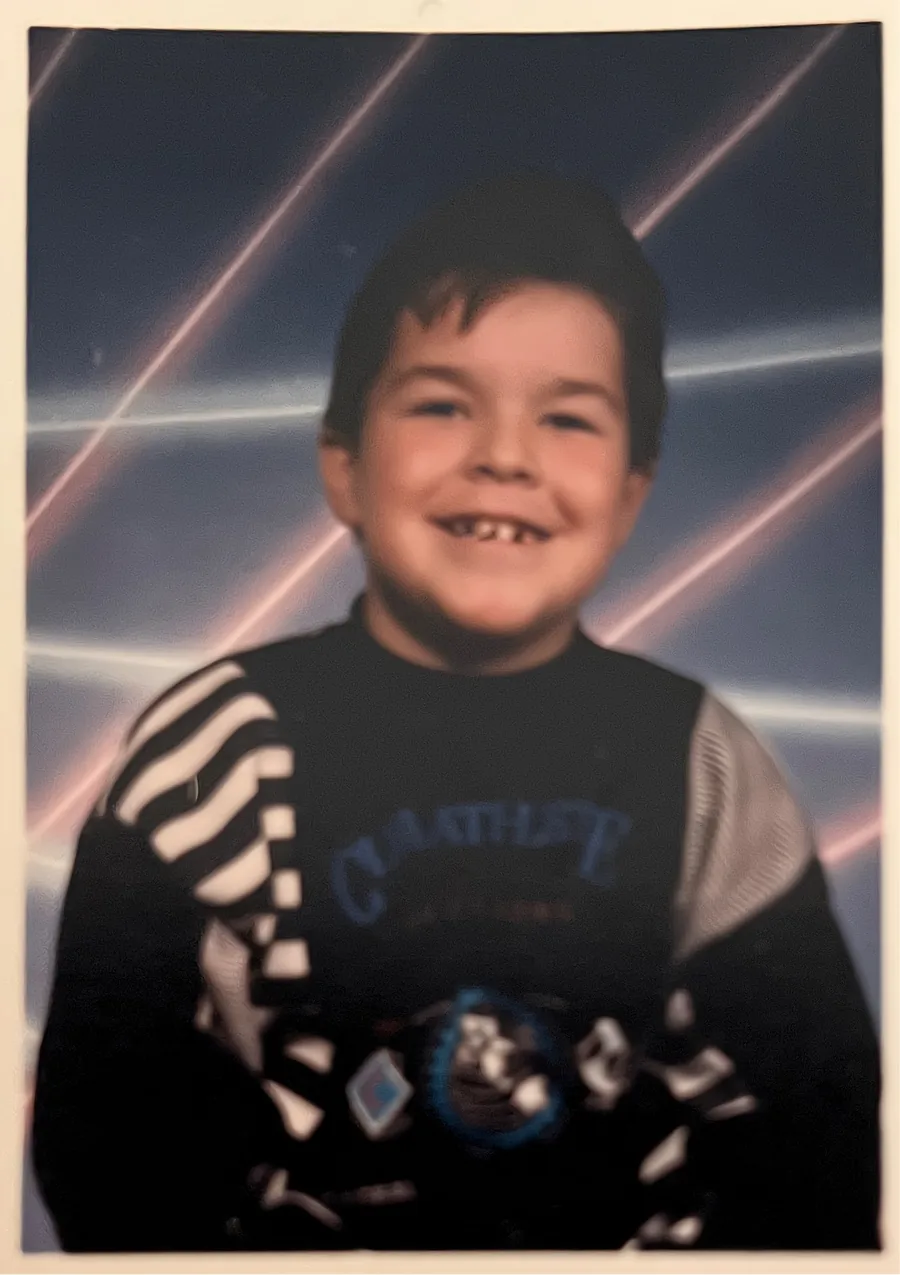
And that’s something I think about often when I’m standing on the mats coaching young boys.
I see pieces of my younger self in some of them.
The boy who gets frustrated when something doesn’t go his way. The boy who looks toward his mother the moment something becomes uncomfortable. The boy who wants to quit because he’s struggling.
And sometimes, the boy who simply needs a man to look him in the eyes and say:
“I know it’s hard. But I also know you can do this.”
Not with anger. Not with humiliation. Not by dismissing his emotions.
With patience, confidence, and the expectation that he’s capable of more than he realizes.
Looking back, I realize how valuable those moments of guidance can be. Not because a mother can’t teach discipline or resilience, but because sometimes a boy benefits from seeing those qualities modeled by men he respects.
When Love Accidentally Gets in the Way of Growth
Here’s where I want mothers to really hear me.
Your instinct to protect your child is beautiful. It’s natural. And in many situations, it’s exactly what your child needs.
But there’s a difference between protecting your son from harm and protecting him from discomfort.
And that distinction matters.
When your son struggles with something, your instinct might be to step in. When he cries because he lost, you want to comfort him. When he says something is too difficult, you might want to make it easier.
When a coach challenges him, you might wonder whether he’s being pushed too hard.
I understand those instincts.
But sometimes, the most loving thing you can do is allow your son to experience a manageable struggle without immediately rescuing him from it.
Because confidence isn’t something we can simply give our children.
It’s something they develop through experience.
A boy who learns that he can struggle, fail, recover, and try again begins developing something incredibly valuable: trust in himself.
He starts realizing that discomfort isn’t necessarily danger. That frustration doesn’t mean defeat. That losing doesn’t make him a loser.
And that he doesn’t need someone to solve every problem for him.
None of this means withholding affection, dismissing tears, or demanding that boys suppress their emotions. Boys need tenderness, reassurance, and emotional safety, too.
The goal isn’t to raise a boy who doesn’t feel. It’s to raise a boy who knows what to do with what he feels.
And sometimes, giving him the opportunity to work through frustration is one of the greatest gifts we can offer.
Then I Became a Father
Interestingly enough, I’m not raising sons.
I’m raising two daughters.
And fatherhood has taught me just as much about myself as growing up without a father did.
With my firstborn, I’ll admit that I was probably rougher around the edges than I should have been.
I had certain ideas about discipline, toughness, and preparing children for the real world. And while my intentions were good, I’ve come to recognize that sometimes I was more firm than the moment required.
That’s not always an easy thing to admit as a father.
But if we’re going to ask our children to grow, we have to be willing to grow ourselves.
My daughters have taught me the importance of being compassionate, emotionally available, steady, secure, and consistent.
They’ve taught me that strength isn’t always expressed through firmness.
Sometimes strength is listening. Sometimes it’s softening your tone.
Sometimes it’s recognizing that your child doesn’t need another lesson in toughness. She needs to know that her father is a safe place to land.
And I continue learning that balance.
I see similar dynamics on the mats.
Sometimes I see fathers pushing their daughters harder than they need to, perhaps without recognizing how deeply their words or tone are being received.
Other times, I see mothers stepping in to rescue their sons from challenges those boys are entirely capable of overcoming.
These aren’t universal differences between boys and girls. Every child has a different temperament, emotional makeup, and set of needs.
But they are patterns worth reflecting on.
Because whether we’re raising sons or daughters, our responsibility isn’t to parent exclusively through our own instincts. It’s to understand what the child in front of us actually needs.
Sometimes that means more compassion.
Sometimes it means more accountability.
And often, it means both.
What I See on the Jiu-Jitsu Mats
One of the things I love most about coaching children is that Jiu-Jitsu reveals character in ways ordinary conversation often cannot.
You can learn a tremendous amount about a child by watching what happens when something doesn’t go their way.
When they lose a round. When they can’t execute a technique. When a smaller child outperforms them. When they’re exhausted, frustrated, embarrassed, or convinced they can’t do something.
Those moments are opportunities.
Not opportunities to break children down.
Opportunities to help them discover that they’re stronger, more capable, and more resilient than they thought.
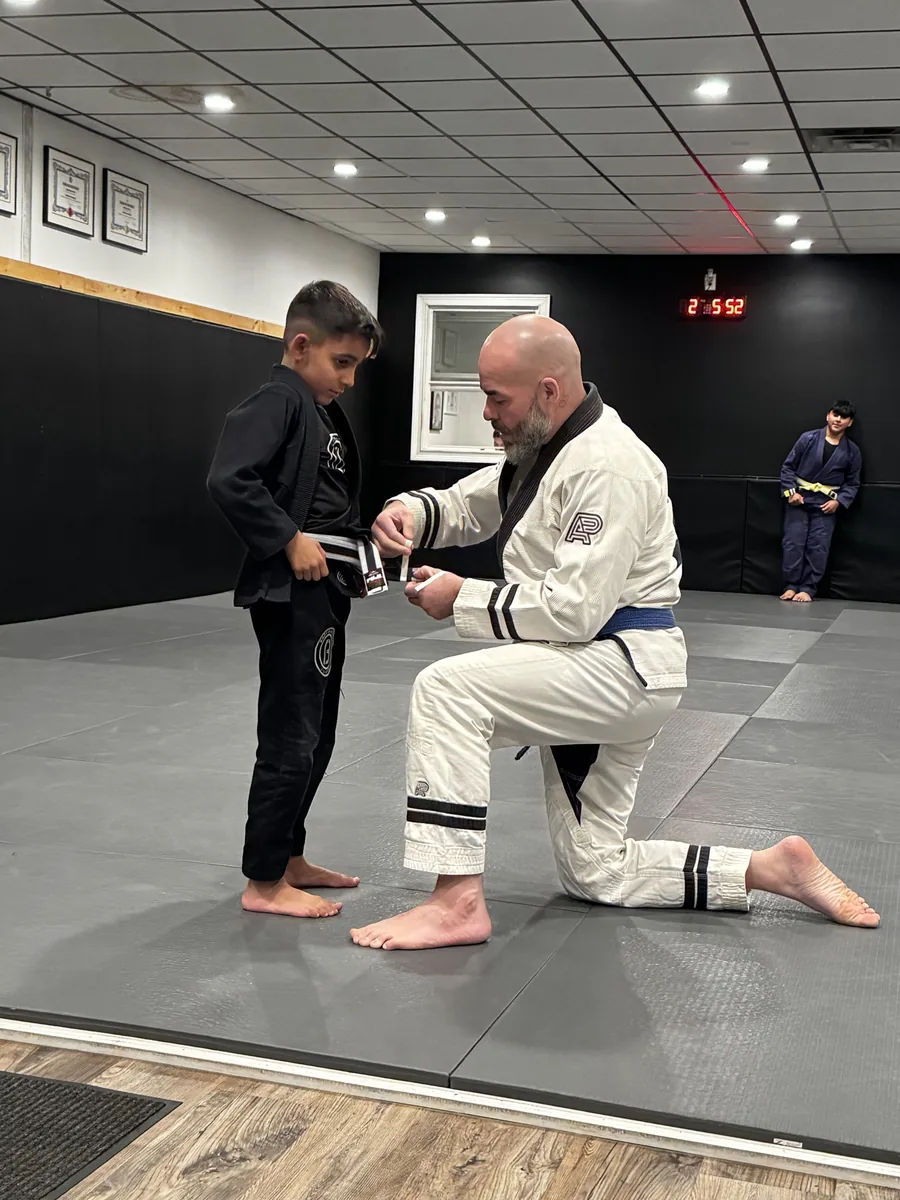
Sometimes a child needs encouragement. Sometimes they need a moment to collect themselves. Sometimes they need a firm reminder about their attitude or behavior.
And sometimes they need someone who believes in them enough not to let them give up on themselves.
That’s where coaching becomes much more than teaching submissions, escapes, and takedowns.
We’re helping children learn how to respond to adversity.
We’re teaching them to respect others, manage frustration, take responsibility, and develop confidence through earned accomplishments.
And those lessons don’t stay on the mats.
They follow children into classrooms, friendships, relationships, and eventually adulthood.
My Nephews, My Students, My Responsibility
Some of the boys I have the privilege of coaching are my own nephews.
And while the relationship is different, the responsibility I feel isn’t.
I want them to know that I love them, that they can trust me, and that I believe they’re capable of difficult things.
Sometimes that means encouragement. Sometimes it means accountability. And sometimes it means giving them the space to struggle while making sure they know I’m right there with them.
I don’t want to remove every obstacle from their path.
I want to help them develop the confidence to navigate those obstacles themselves.
And that philosophy doesn’t change when I’m coaching someone else’s child.
Because when a parent trusts me with their son or daughter, I understand that I’m being given an opportunity to influence someone who is still figuring out who they are.
That’s not something I take lightly.
The goal isn’t to make children dependent on our encouragement. It’s to help them develop enough belief in themselves that they eventually don’t need it.
And there’s something incredibly rewarding about watching that happen.
For the Mothers Raising Boys Without Fathers
I want to speak directly to you for a moment.
I know some of you are exhausted.
Some of you are doing everything you can to provide financially, emotionally, and physically for your children.
Some of you are raising sons whose fathers are absent.
Others have partners who work long hours, travel, or simply cannot be present for every important moment.
And some of you may feel the pressure to be everything your son needs.
But here’s something I wish more mothers understood:
You don’t have to be everything to your son to be an extraordinary mother.
There’s tremendous value in allowing other trustworthy adults to contribute to his development.
A grandfather. An uncle. A teacher. A mentor. A coach.
Men who model integrity, emotional maturity, discipline, respect, and accountability.
Not because a mother’s love is insufficient, but because children benefit from having a community of positive influences.
I know firsthand what it means to grow up searching for those examples.
And I also know how much of a difference the right male role model can make.
That’s part of why I take coaching so seriously.
I understand that for some children, the men they encounter in a Jiu-Jitsu academy may be among the few consistent male mentors in their lives.
That’s a responsibility I don’t take lightly.
And it isn’t a position that automatically earns a coach a parent’s trust. That trust should be earned through patience, consistency, respect, appropriate boundaries, and genuine care for the child.
Sometimes the Best Thing You Can Do Is Let Him Struggle
Imagine your son is having a difficult day in class.
He’s frustrated. He’s losing. He’s telling you he doesn’t want to continue.
Your instinct may be to take him home.
And sometimes that’s absolutely the right decision. Children can be overwhelmed, injured, sick, or genuinely distressed, and those situations deserve compassion.
But other times, he’s simply experiencing the discomfort that comes with learning something difficult.
Those are the moments when I encourage parents to pause before stepping in.
Give him a moment. Let his coach work with him. Let him discover that he can recover from frustration.
And when he finally completes the technique, finishes the round, or returns to class after wanting to quit, recognize what just happened.
He didn’t simply learn Jiu-Jitsu.
He learned something about himself.
He learned that having a hard moment doesn’t mean he can’t handle a hard thing.
That’s a lesson no amount of reassurance can replace.
Five Things Parents Can Practice When Their Child Struggles
- Pause before rescuing. Not every moment of frustration requires immediate intervention. Sometimes your child needs a little time to work through the challenge.
- Recognize the difference between discomfort and distress. A difficult drill, a lost round, or temporary frustration can be part of learning. Pain, unsafe behavior, humiliation, or genuine emotional distress require adult intervention.
- Acknowledge the feeling without removing the challenge. Instead of immediately saying, “Okay, you can stop,” consider saying, “I know you’re frustrated. What do you think you can try differently?”
- Praise effort, courage, and recovery. Your child doesn’t need to win every round. Sometimes the victory is simply trying again after wanting to quit.
- Build a relationship with your child’s coach. Ask questions. Share concerns. Understand how the coach approaches discipline and emotional development. Trust should grow through communication, not blind obedience.
These are small adjustments, but over time they can change how children approach difficult situations.
I’m Not Here to Replace His Father
I’m not here to replace anyone’s father.
I’m not here to undermine a mother’s instincts.
And I’m certainly not here to suggest that toughness is more important than emotional well-being.
I’m here because I believe children deserve adults who genuinely care about the people they’re becoming.
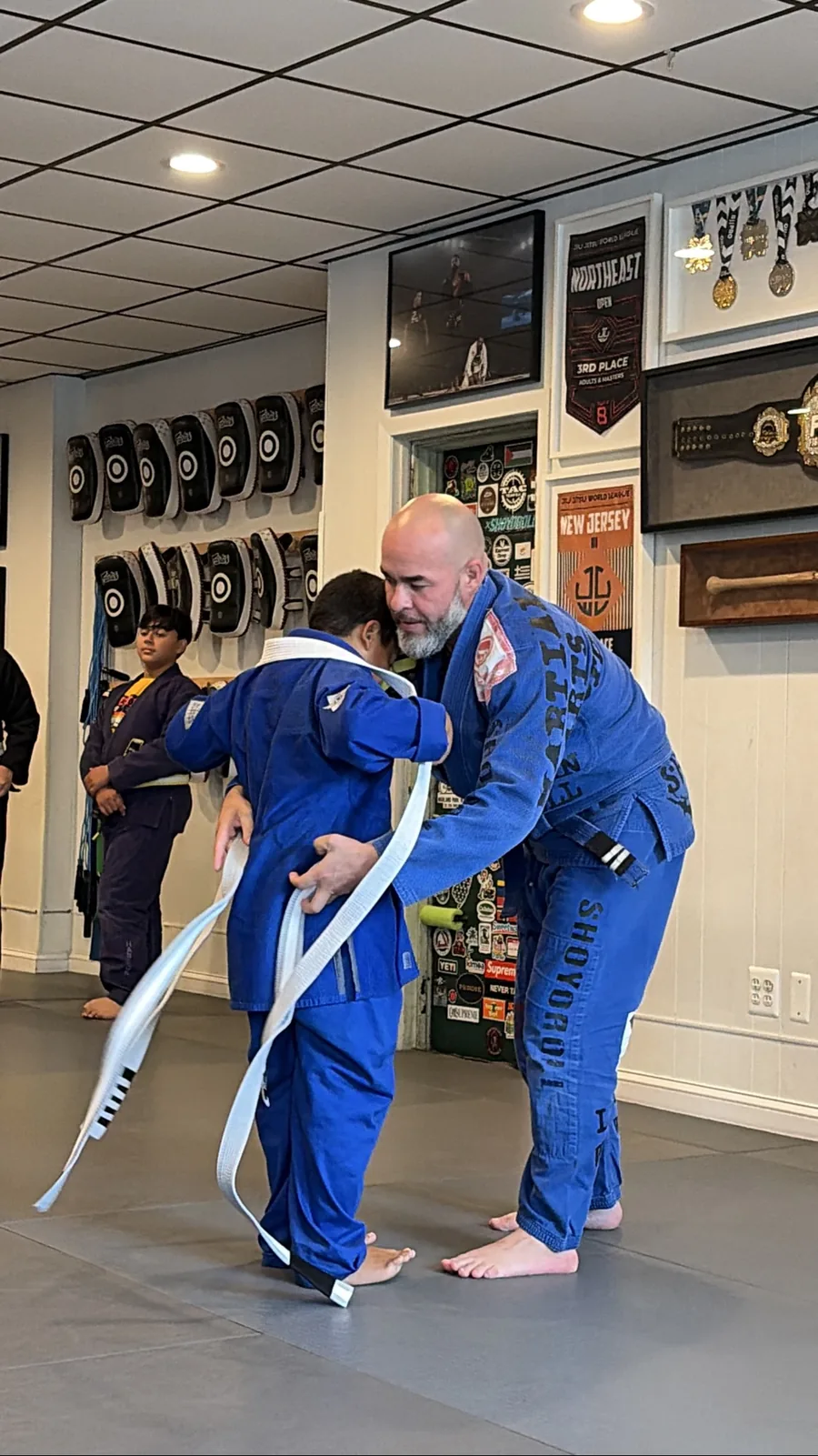
I want the boys I coach to understand that strength and kindness can coexist.
That being a man doesn’t mean being aggressive, emotionally disconnected, or incapable of asking for help.
It means learning responsibility. Developing self-control. Treating others with respect. Having the courage to face difficult things.
And understanding that real confidence doesn’t come from intimidating others. It comes from knowing yourself.
I want the girls I coach to develop that same confidence, courage, and resilience.
Every child deserves to feel safe, supported, challenged, and capable.
And as a father, I know how much trust it takes to place your child in someone else’s care.
I don’t expect parents to surrender their judgment when they walk through our doors. I hope to earn their confidence.
By showing them that their children’s development matters to me beyond what happens during a 45-minute class.
One Day, That Little Boy Will Be a Man
If you’re raising a boy, I want to leave you with something to consider.
The next time your son encounters something difficult, before you rush to make it easier, ask yourself:
“Does he need me to protect him right now, or does he need me to believe he can overcome this?”
Sometimes he’ll need your arms around him.
Sometimes he’ll need your reassurance.
And sometimes he’ll need you to stand back just enough to let him discover his own strength.
You don’t have to love him any less.
You don’t have to become harder.
And you certainly don’t have to stop being the safe place he turns to when life becomes overwhelming.
You can remain that safe place while also encouraging him to become more independent, resilient, and accountable.
Because one day, that little boy will be a grown man navigating a world that won’t always be gentle with him.
And the goal isn’t to make him hard enough that nothing affects him.
It’s to help him become secure enough in himself that he can face life’s challenges without losing his compassion, character, or sense of who he is.
I was once a boy trying to figure those things out.
Today, I’m a father still learning, an uncle who wants to lead by example, a man still growing, and a coach doing my best to help the next generation find their way.
And if I can help even one child develop the confidence, discipline, and self-belief I had to work so hard to discover, then what we’re doing on those mats is about far more than Jiu-Jitsu.
It’s about helping raise good human beings.
Confidence Is Built. Character Is Developed.
At Radji Barrett Jiu-Jitsu, we believe what children learn on the mats should help them grow beyond them.
Discover a supportive environment where your child can build confidence, discipline, and resilience.