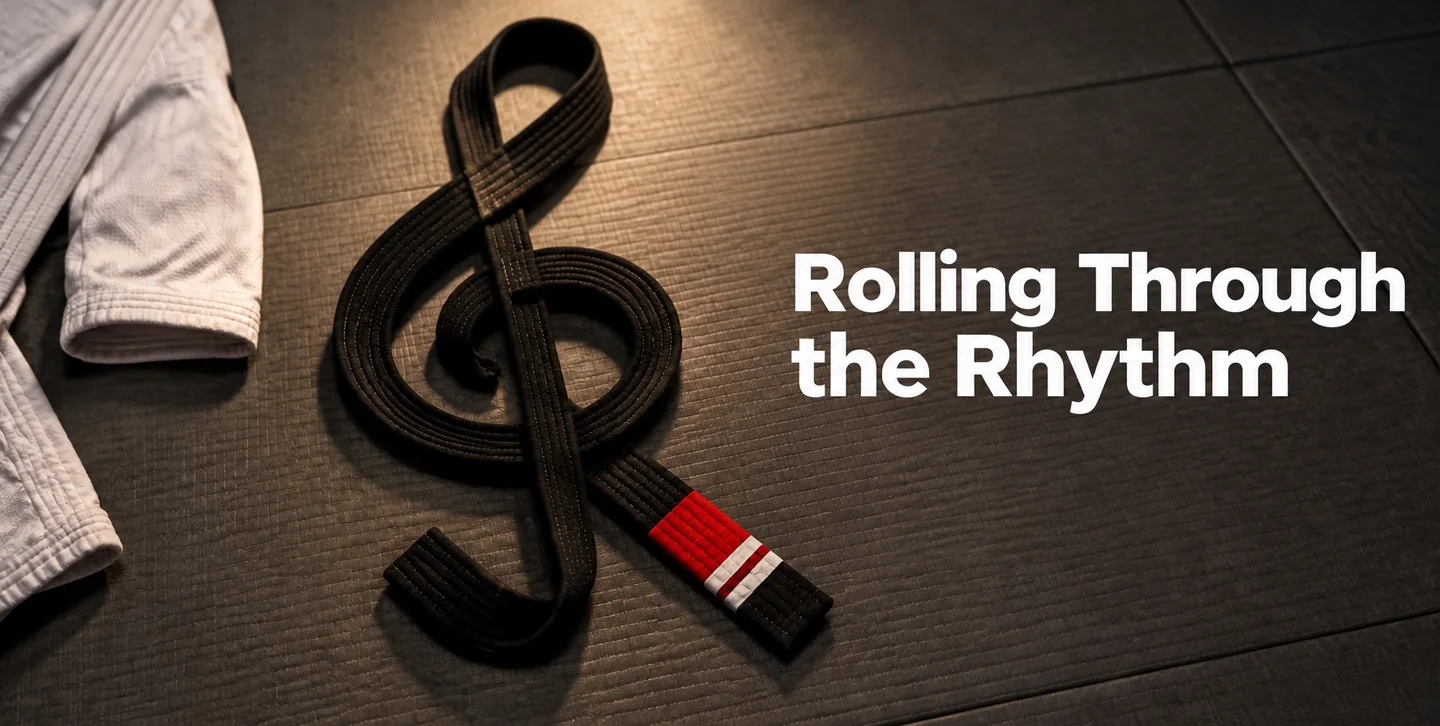
Walk into our school and you might hear modern rap, ’90s hip-hop, jazz, or ’80s punk. Hear The Strokes, and you might start looking around for Shivil.
The younger guys have their favorites, the “uncs” defend the ’90s, and the musicians notice every drum fill. Nobody needs to win the playlist argument: these different tastes introduce us to the people sharing the mats.
Follow the music a little further, though, and the story reaches beyond training songs. It leads to the music our members make and the family roots behind Professor Radji.
A listening guide for different kinds of rounds
Pick the music for the round, not the other way around. These are listening suggestions, not claims that a genre improves your grappling.
- Modern rap: Try Kendrick Lamar’s “DNA.” for warm-ups or an agreed harder round. Enjoy the energy without treating every grip like an emergency.
- ’90s hip-hop: Nas’s “The World Is Yours” is our pick for steady drilling or controlled positional work. The uncs may also have some album recommendations.
- Indie rock: Put on The Strokes’ “Someday” for a lively flow round. Keep moving, connect positions, and let your partner work.
- Jazz: Try Dizzy Gillespie’s “A Night in Tunisia” for exploratory flow rolling. Think of it as a conversation, not a race to your favorite submission.
- ’80s punk and hardcore: Bad Brains’ “Banned in DC” suits our more energetic positional-round mood. Intense music still calls for controlled training.
- Instrument-led grooves: Try Khruangbin’s “Time (You and I)” for relaxed drilling. This one is for the people following the bass, guitar, and drums.
The musicians are already on our mats
Some of our training partners make music of their own. Knowing the person behind a recording makes listening more personal.
Mike Trottini: a musician who thinks beyond the next song
Our own Mike Trottini is a musician, vocalist, and studio-equipment enthusiast. His project The Horror Hotel brings storytelling ambition to the music: his own preview frames it through cinematic music, rock opera, and a character’s story. (Mike’s album preview)
That willingness to build a creative world deserves a proper listen, not just a few seconds between rounds. Explore The Horror Hotel on Spotify and discover another side of someone you know from training.
Rich Seyffart: black belt, drummer, rock-star energy
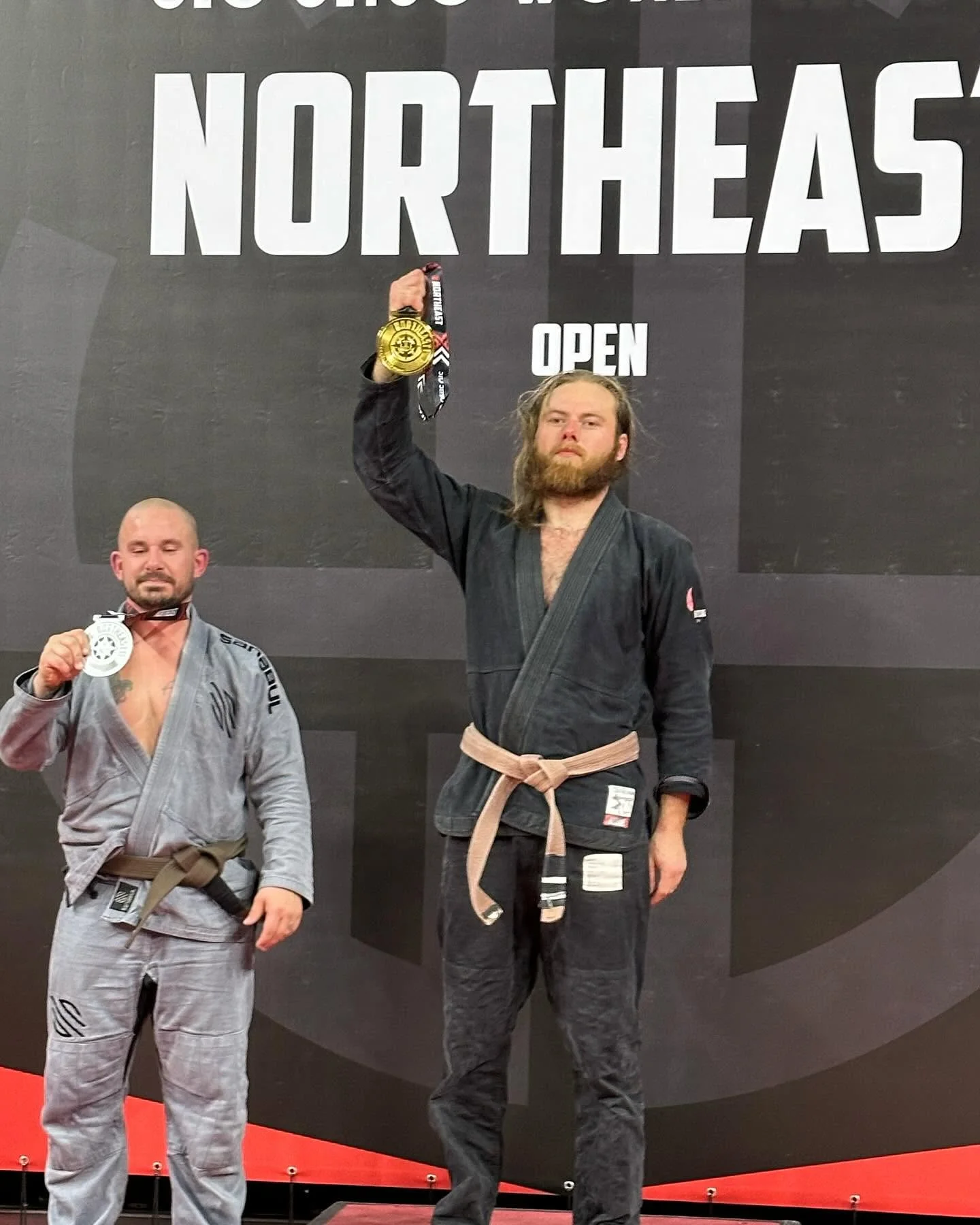
Our black belt Rich Seyffart brings rock-star energy for a reason: he plays drums with Connor Bracken and the Mother Leeds Band. Hear him in the band’s official live performances, including sessions at the Asbury Park Brewery.
The band’s history includes a 2022 Northeast tour and two headlining shows in Times Square. (The Pop Break) Start with The Nightbird Sessions, then check the official live page for show updates.
Evan, aka Juno Karr: a very purple blue belt
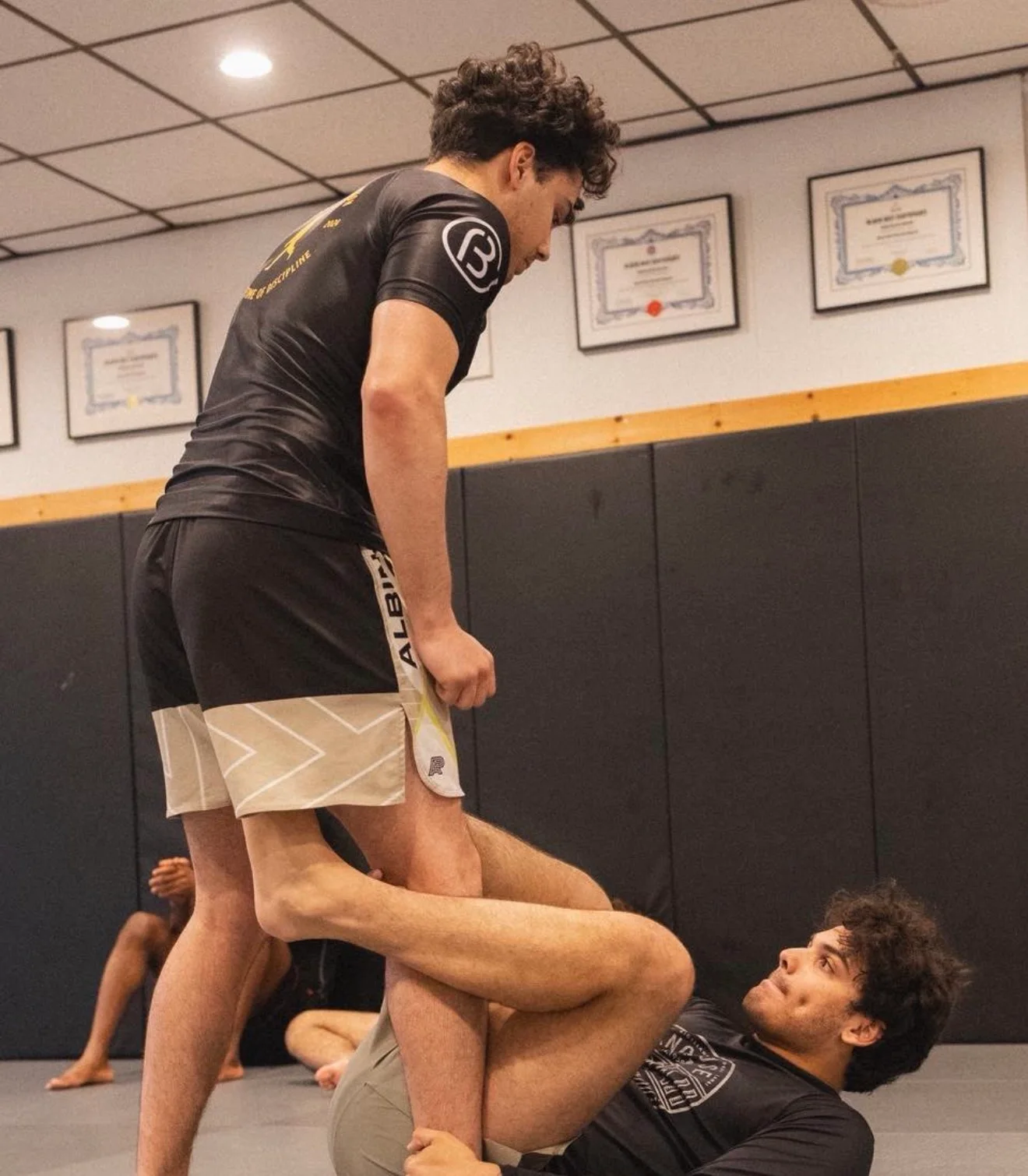
Evan is our very purple blue belt, and off the mats he records as Juno Karr. His singer-songwriter single “Red Wine” adds another original voice to our academy’s musical mix.
Start there, then explore his Apple Music catalog for “Reverie” and “Just Cause.” You might know someone’s guard game before you know their songs; this is a good reason to discover both.
Shivil: the unofficial Strokes department
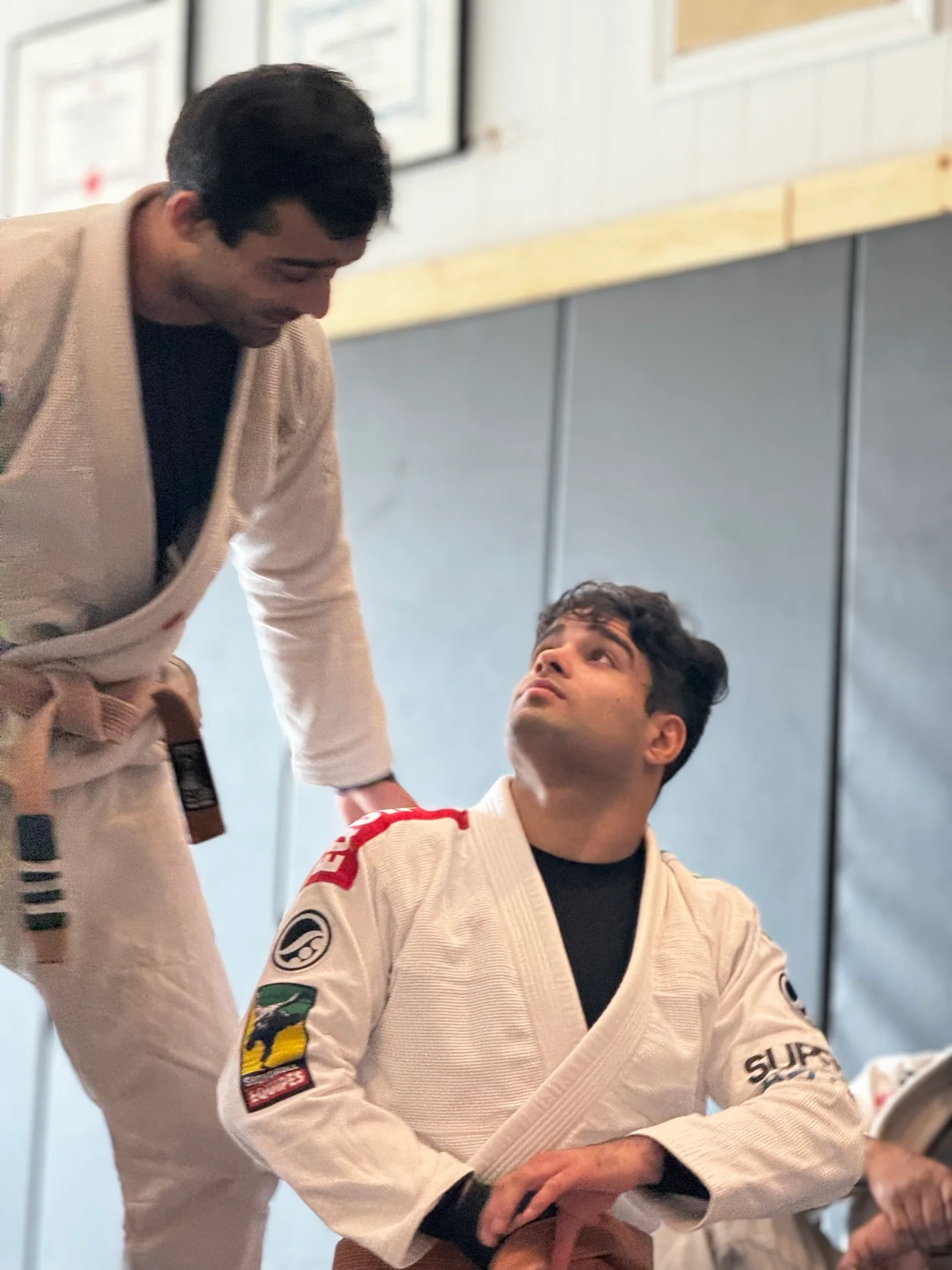
Our black belt Shivil has contributed enough The Strokes to become closely associated with the playlist. Put on “Someday,” and his name enters the conversation.
That is the difference between a shared playlist and an anonymous workout mix. Songs start reminding you of people, and those associations become part of feeling at home.
Familiar names who also train
The music-and-jiu-jitsu overlap extends beyond our school. These artists are examples, not academy affiliates or endorsers.
- Maynard James Keenan: The Tool vocalist earned a BJJ black belt in 2024. (NME)
- Zoltan Bathory: The Five Finger Death Punch guitarist has described training while touring. (InsideHook)
- Demi Lovato: Coach Chris Light has described the singer’s consistent jiu-jitsu training. (BJJ Eastern Europe)
A good training playlist leaves room for everyone
Keep the volume low enough to hear coaching, the timer, and a verbal tap. Choose suitable clean versions for mixed-age settings, and agree on intensity with your partner rather than taking instructions from the soundtrack.
Most importantly, share the queue. Someone else’s favorite song might become your next discovery.
Beyond the playlist: the family roots of our school
The playlist introduces us to one another. In Professor Radji’s family, music also connects generations, giving this story roots beyond the mats.
Remembering Jeanie Bryson
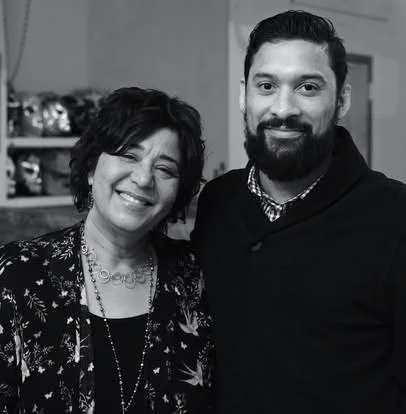
Professor Radji’s late mother, Jeanie Bryson, was a jazz vocalist known for her warm sound, phrasing, and storytelling. (All About Jazz) Her albums include I Love Being Here With You, Tonight I Need You So, Some Cats Know: Songs Of Peggy Lee, and Deja Blue.
To Professor Radji, she was his mother. A list of recordings and musical credits can introduce an artist, but it cannot contain everything a mother means to her family.
We share her photograph and music with affection and respect. Take a quiet moment to listen to her voice.
Connie Bryson and “Simple Song”
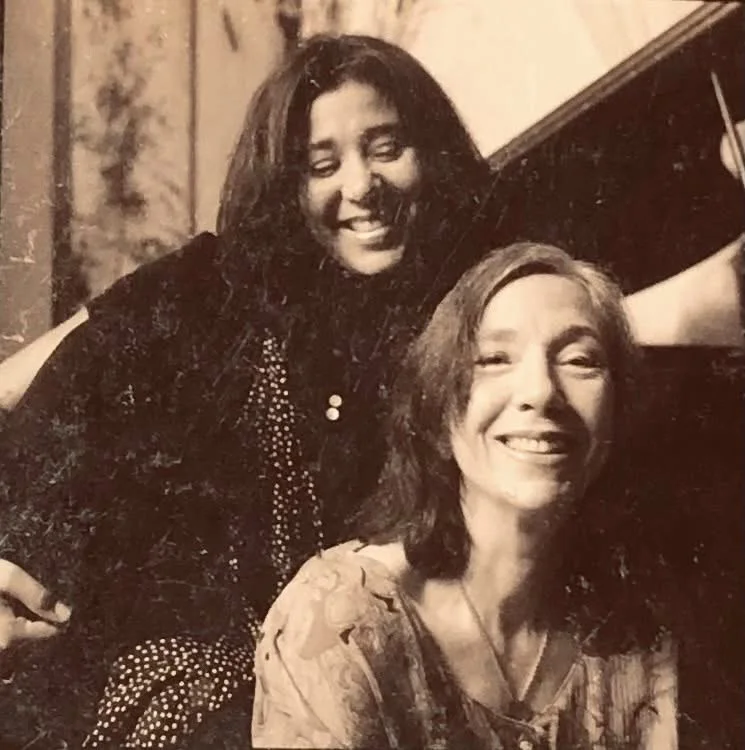
Jeanie’s mother, Professor Radji’s grandmother Connie Bryson, was a songwriter, composer, and poet who helped shape her daughter’s musical life. That influence can be heard in Jeanie performing Connie’s composition “Simple Song”.
A mother’s song, carried in her daughter’s voice. It is worth pausing the playlist and giving that performance your attention.
Professor Radji: music beyond the training schedule
Music was part of Professor Radji’s childhood, not just his family history. He recalls attending the American Boychoir School, taking piano lessons from his grandmother, and playing bass and guitar during high school. Music became a way to decompress alongside his demanding competitive swimming training. Rhythm and repetition belonged to both worlds, but music also left room for creativity and self-expression. That balance feels familiar in Brazilian jiu-jitsu: train with discipline, make room to explore, and find your own way to move.
And the music continues with Elias
The story does not stop with the generations before Professor Radji. His son Elias is a drummer too, with a feel for the instrument we would describe as beyond his years.
Listen to Elias play below. The musical thread is continuing in another form.
At the roots: Dizzy Gillespie
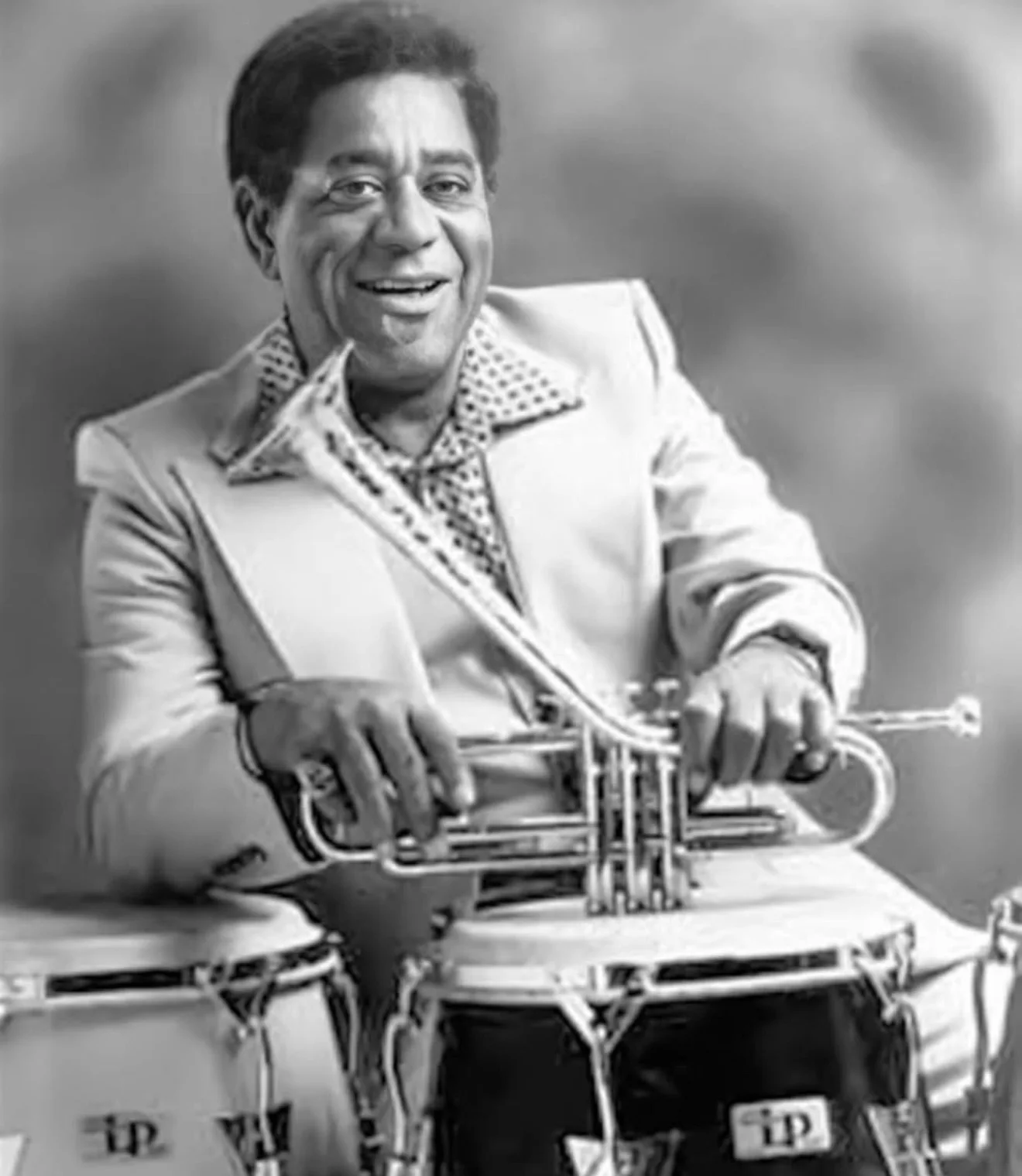
Tracing those roots brings us to Jeanie’s father, Dizzy Gillespie, Professor Radji’s grandfather. (All About Jazz, WEFUNK Radio) A pioneering trumpeter and bandleader, Dizzy was a co-creator of bebop alongside Charlie Parker, helping forge a new musical language. (Britannica)
Afro-Cuban jazz: collaboration and mentorship
In 1947, Mario Bauzá introduced Dizzy to Cuban percussionist and composer Chano Pozo. (JazzArts Charlotte) Their collaboration on “Manteca,” with arranger Gil Fuller also contributing, became a landmark in bringing bebop and Afro-Cuban rhythms together. (Library of Congress)
After they met in Havana in 1977, Dizzy became a friend and mentor to Cuban trumpeter Arturo Sandoval, who credits him with encouragement, opportunities, and a lasting love of music. (Sandoval’s NPR interview) That is another kind of musical legacy: making space for someone else’s voice.
You can begin listening with “A Night in Tunisia”. Here, his music also carries a family connection.
From Connie’s songwriting and Jeanie’s voice to Elias’s drums and Dizzy’s trumpet, music is part of the story behind our professor. It meets the personalities every member brings to the room: different playlists, shared mats, and a reason to listen to one another.